



For years, some ward administrators in Busia County have been working under difficult conditions, with unpaid rent leaving some without proper offices and others facing landlords demanding payment for months of outstanding bills.
The problem came into focus as the County Assembly Committee on Public Administration toured ward administrators’ offices to establish the extent of rent arrears and verify lease arrangements.
Some landlords told the committee they have gone as long as 67 months without receiving rent from the county government.
For ward administrators, the consequences have been more than a dispute over unpaid bills, Some offices have been closed by landlords, disrupting the day to day work of administrators who serve as a link between the county government and residents at ward level.
ALSO READ:Kiamaiko’s Sewer Crisis: When Basic Sanitation Becomes a Fight for Service
One administrator told the committee that officials have been forced into a “hide and seek” situation with landlords over unpaid rent.
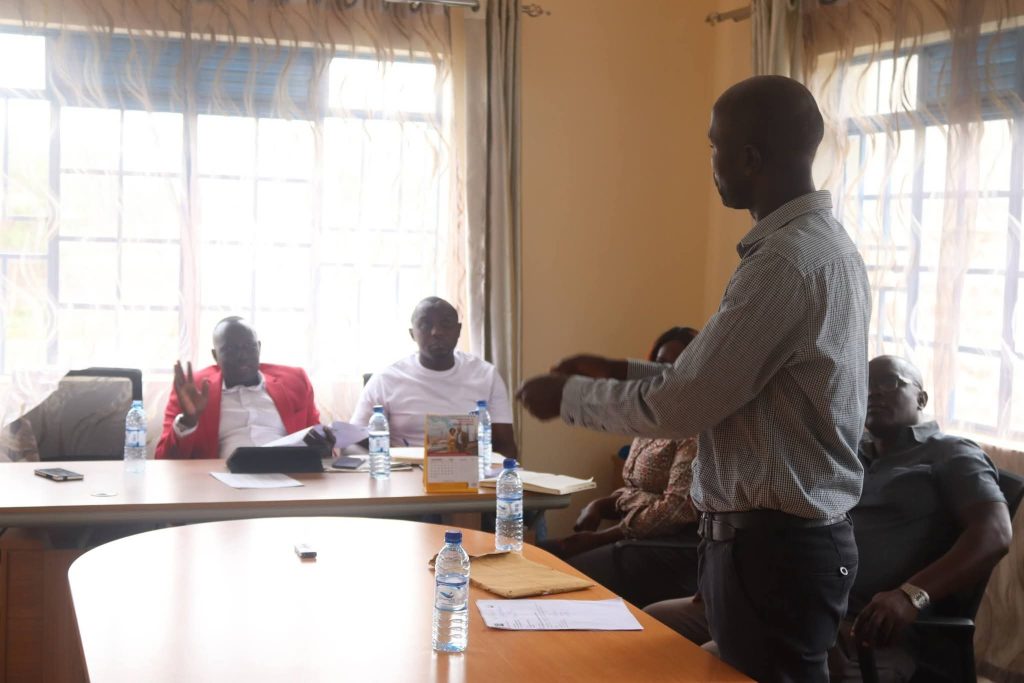
Others described their working conditions as being like “birds” after losing access to their offices.
“We have never received any office operations monies since we took over office in 2014, save for the stamps,” said one ward administrator who requested anonymity for fear of victimisation.
The situation raises a bigger question for Busia County, how did basic rental obligations accumulate for years without being settled, and what does this say about the county’s financial management?
When unpaid bills affect service delivery
Ward administrators rely on offices to coordinate county activities, respond to residents and facilitate government programmes at the grassroots.
But when landlords shut premises over unpaid rent, those functions become harder to perform.
In Matayos Sub-County, for example, rent owed for a former administrator’s office has reached Ksh1.6 million.
The landlady told the committee that the administrator moved to government premises without informing her, leaving the outstanding bill behind. She has since retained government furniture and documents at the premises pending payment of the debt and the termination of the lease.
Such disputes point to weaknesses that go beyond individual landlords and tenants. They raise questions about how county departments track leases, manage contracts and ensure that bills are settled before they grow into larger liabilities.
Administrators paying out of their own pockets
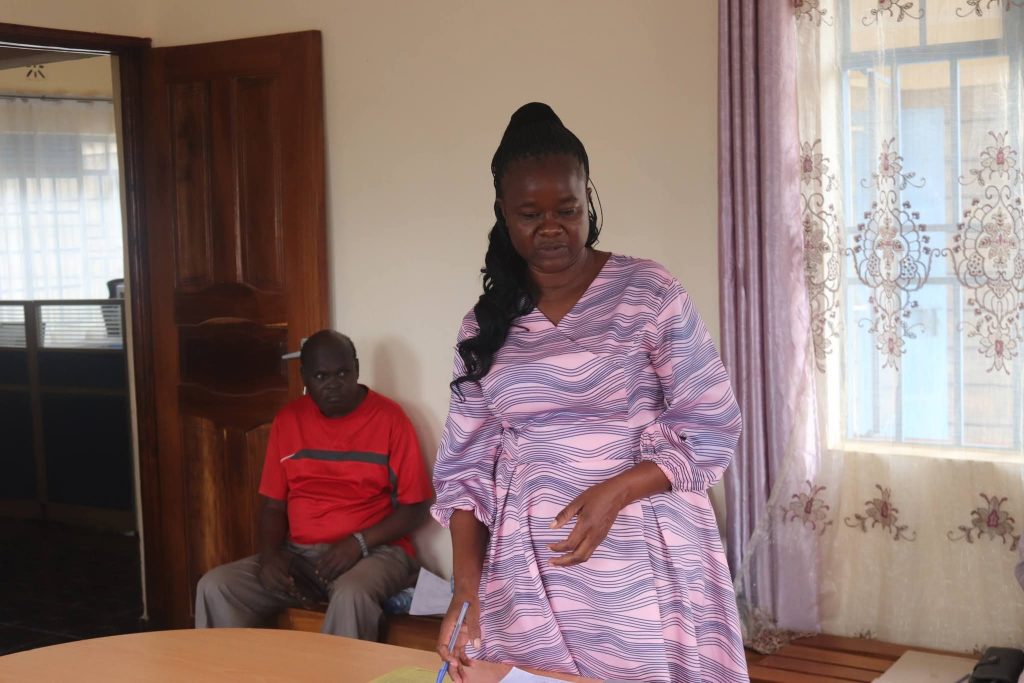
The rent crisis is also exposing another challenge facing ward administrators, a lack of money to run their offices.
The administrators told the committee that they have not received an office operations allocation since taking office in 2014, apart from funds for stamps.
One administrator, speaking anonymously, said officials have at times been forced to use their personal salaries to keep government operations running.
ALSO READ:Isiolo’s Wildlife Crackdown Puts Conservation-Livelihood Balance to the Test
If accurate, the claim raises questions about whether ward administrators are being given the resources they need to carry out their responsibilities.
It also places the rent problem in a wider context. The issue is not only about landlords waiting to be paid, It is about whether the county has put in place reliable systems to finance and support its grassroots administration.
A growing liability
Rent arrears are part of the broader challenge of managing unpaid county bills.
When obligations remain unsettled for years, they can become increasingly difficult and expensive to resolve. At the same time, landlords may be left carrying the financial burden while county officers continue to require office space.
The Assembly committee’s countywide assessment could therefore provide an opportunity to establish the full scale of the problem including how many offices are affected, how much is owed, the length of the outstanding bills and why the arrears were allowed to accumulate.
It could also shed light on whether existing leases were properly approved, whether funds were budgeted for the premises and which county departments are responsible for settling the bills.
The committee, chaired by Richard Mudibo, has promised to engage the relevant county departments and seek an amicable solution.
The committee’s findings and recommendations will eventually be presented to the County Assembly.











Leave a Reply