


The push to keep livestock out of Isiolo’s wildlife reserves has brought into sharp focus the difficult balance between protecting fragile ecosystems and sustaining pastoralist livelihoods during a prolonged dry spell.
The County Government of Isiolo, working with the national government and the Kenya Wildlife Service (KWS), has launched joint operations to remove herders and unauthorised livestock from protected wildlife areas.
The crackdown will cover reserves including Buffalo Springs and Shaba, where officials say illegal grazing is putting pressure on wildlife habitats and water sources while creating security risks.
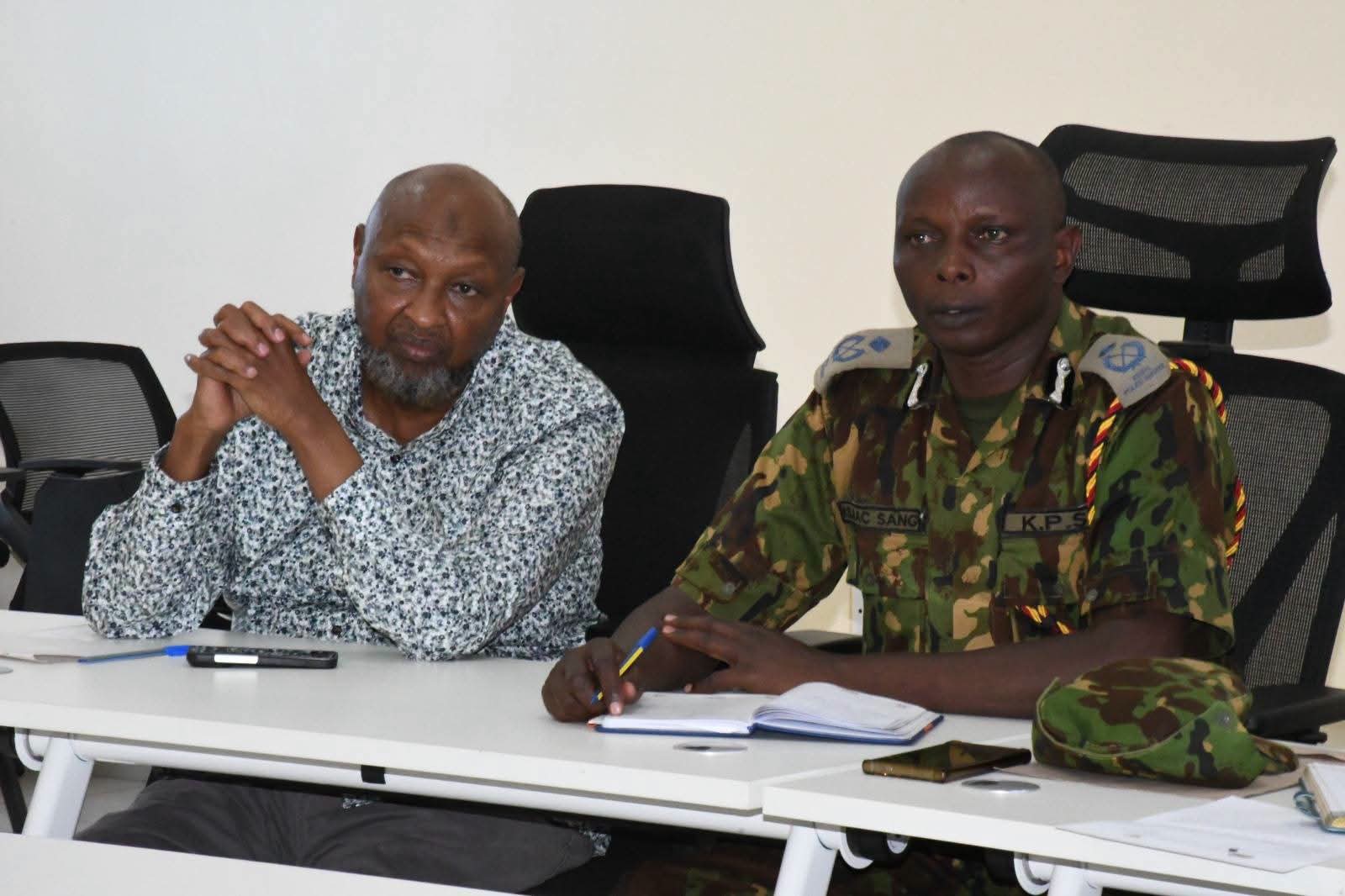
County Secretary Dade Boru acknowledged that the dry season has placed significant pressure on pastoralists, but said the circumstances could not justify the continued killing of wildlife.
“We understand the hardship this dry season has brought to our herders. But we cannot allow the killing of our wildlife to continue,” Boru said.
ALSO READ:Nairobi’s Building Control Problem: Too Few Inspectors and a Policy Dispute
Wildlife under pressure
For Isiolo, the issue extends beyond conservation.

The county’s wildlife areas are an important part of its tourism economy, with the reserves attracting visitors and supporting businesses and livelihoods linked to the tourism sector.
Officials argue that allowing livestock to graze freely inside protected areas damages vegetation, competes with wildlife for water and pasture, and can interfere with wildlife movement.
County Executive Committee Member for Tourism and Trade Dr Lawrence Mwongela described uncontrolled grazing as both an environmental and security concern.
He said the county must maintain a clear distinction between pastoral land and protected wildlife sanctuaries.
“Uncontrolled grazing inside our reserves Is not just an environmental problem, it is a security concern,” Mwongela said.
The planned operations will therefore combine enforcement with increased security infrastructure and foot patrols aimed at preventing illegal entry, curbing poaching and reinforcing reserve boundaries.
The livelihood question
But the crackdown also raises a bigger question, where do pastoralists turn when pasture and water outside protected areas become scarce?
Isiolo’s pastoralist communities depend heavily on livestock, making access to grazing land and water a critical livelihood issue, particularly during dry periods.
The county’s acknowledgement of the hardships facing herders suggests that enforcement alone may not resolve the conflict between livestock and wildlife.
ALSO READ:Kikuyu Bus Park: Why is a completed facility still waiting to open?
Without adequate alternative grazing areas and water sources, pushing livestock out of reserves could simply shift pressure to other grazing areas or deepen competition between communities and wildlife.
That makes the management of the Ewaso Nyiro River basin particularly important.
The county says removing livestock is also intended to give degraded grazing areas and water sources time to recover.
Reducing pressure on overgrazed land could allow vegetation to regenerate and improve conditions along the river basin, while protecting wildlife migration routes.
For Isiolo, the success of the operation will therefore depend not only on how effectively livestock are removed from protected areas, but also on whether the county and its partners can provide a workable long-term framework for pastoralists.











Leave a Reply