


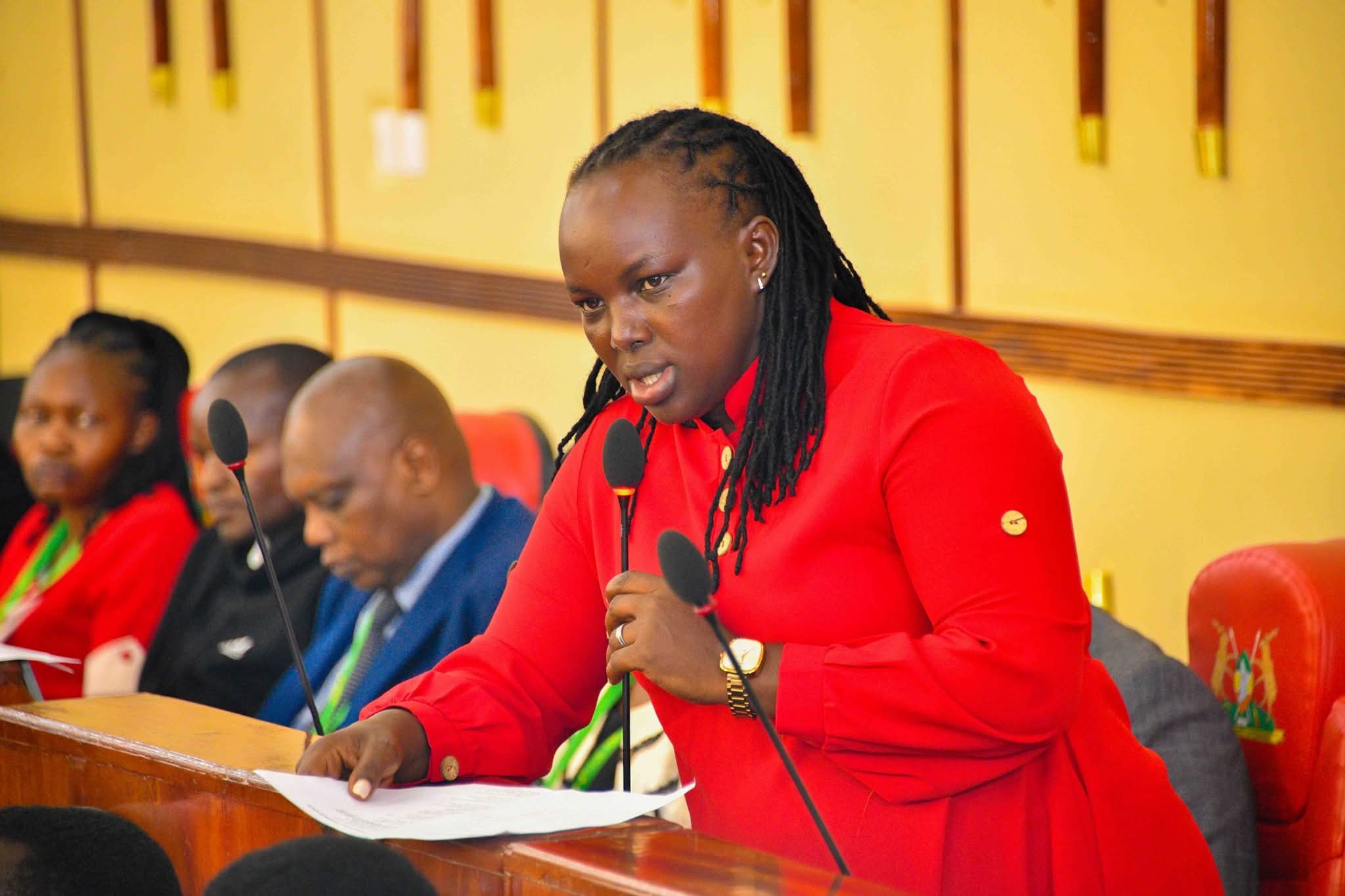
Baringo’s health system is facing scrutiny over gaps ranging from emergency medical response and referrals to medicine supplies, staffing and access to critical care.
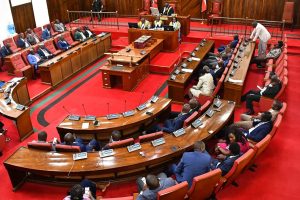
The concerns were raised in a motion on urgent county matters tabled by MCA Jeruto Kiptalla, following reports of residents losing their lives while seeking treatment in public health facilities.
The motion placed the county executive under pressure to explain how its health system is responding to emergencies and whether public facilities have the staff, medicines and equipment needed to provide essential services.
ALSO READ:Lodwar Set to Leave Behind KSh900m Annual Diesel Power Bill
Here are six areas the county administration has been asked to address.
Emergency care and delayed treatment
At the centre of the Assembly’s concerns is the response to medical emergencies.
Kiptalla cited reports of residents allegedly losing their lives after delays in receiving emergency medical attention and inadequate critical care.
The Assembly wants the County Executive Committee Member for Health Services to explain the circumstances surrounding the reported deaths and outline measures taken to prevent similar incidents.
“The County Executive Committee Member (CECM) for Health Services shall appear before the County Assembly within seven (7) days to table a comprehensive report on the state of healthcare services in Baringo County” Part of the the motion read.
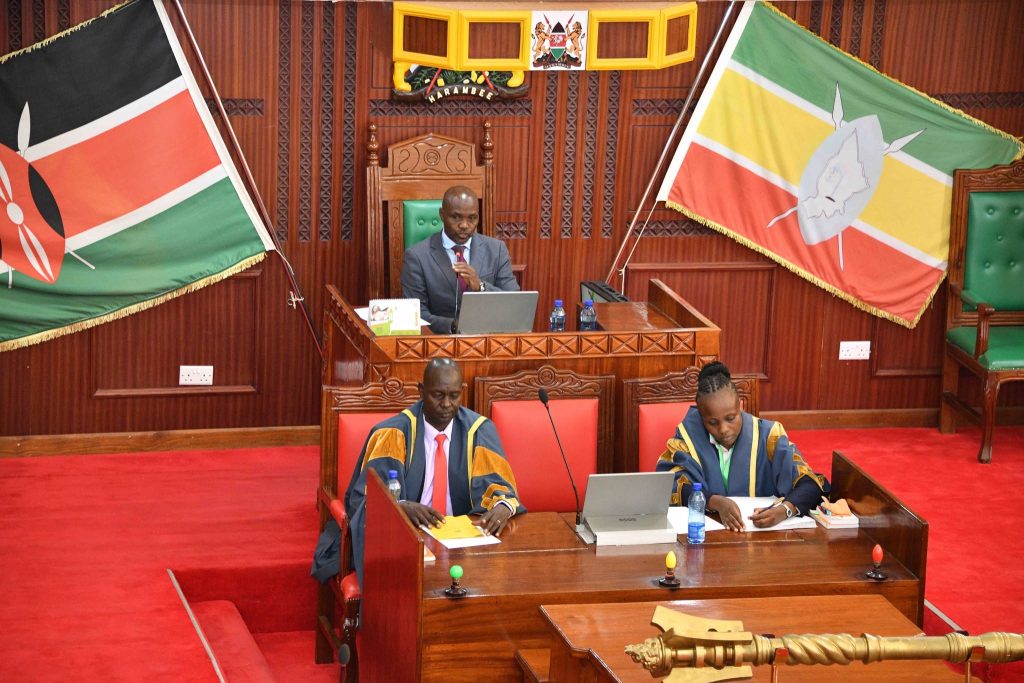
The county is also expected to account for how emergency patients are stabilised, how quickly they receive treatment and how facilities coordinate when a patient needs specialised care elsewhere.
For residents, the issue goes beyond having a health facility nearby, it is also about whether that facility can respond when a medical emergency occurs.
Ambulances and referral systems
An ambulance is only useful if it is available when needed and can get a patient to the appropriate facility in time. The Assembly wants the county’s Emergency Medical Care Policy, including the framework governing ambulance deployment and referrals.
The policy is also expected to set out response timelines, patient stabilisation procedures and coordination between health facilities.
The questions therefore extend beyond the number of ambulances owned by the county. The Assembly wants clarity on how they are deployed, their functionality and how emergency referrals are managed.
Medicines and essential supplies
Medicine shortages are another area requiring answers.
The Assembly has demanded an inventory of county health facilities showing the availability of essential medicines alongside other resources required to provide care.
For patients, shortages can mean being sent from a public facility to look for medicines elsewhere, buying drugs privately or facing delays in treatment.
The county will therefore have to demonstrate what medicines are available across its facilities and how it is addressing gaps in supply.
ALSO READ:2027 Polls: Why Preventing Political Violence Must Start with Party Primaries
Staffing and critical medical equipment
The Assembly also wants a clearer picture of the capacity of individual health facilities. The requested inventory is expected to show staffing levels as well as the availability and functionality of theatres, laboratories, intensive care units, oxygen plants, blood transfusion services and other critical equipment.
This is important because a facility can have a building and medical staff but still struggle to handle serious cases if essential equipment or specialised services are unavailable.
The information could also show where gaps are concentrated and whether facilities have the personnel and equipment required for the services they are expected to provide.
SHA and access to treatment
The rollout of the Social Health Authority is another issue the county executive has been asked to explain.
The Assembly wants a report on the implementation of SHA in Baringo and measures being taken to ensure residents are not denied treatment because of administrative or financial barriers.
The question is particularly relevant to residents who depend on public facilities and may struggle to meet additional costs when seeking care.
“The County Executive shall provide a comprehensive report on the implementation of the Social Health Authority (SHA) in Baringo County,”
A health sector recovery plan
Perhaps the biggest test will be whether the county can translate the Assembly’s concerns into a concrete recovery plan.
The County Executive was directed to present a comprehensive Health Sector Recovery Plan within 30 days, setting out timelines, budgetary commitments and measurable interventions.
The plan is expected to address the weaknesses identified across the health system and provide a basis for tracking whether promised improvements are actually delivered.
The Assembly also directed the relevant committee to begin an inquiry into healthcare delivery in the county and submit its findings and recommendations within 45 days.
The bigger question: where does Baringo go from here?
The July motion puts the spotlight on more than individual incidents. It raises questions about the county’s capacity to provide timely and reliable healthcare across its public facilities.
From an ambulance responding to an emergency to a patient finding essential medicine at a health centre, the different parts of the system are connected.
The reports and inventories demanded by the Assembly could provide a clearer picture of where the gaps lie and what resources are required to address them.
For Baringo residents, the critical issue will be whether the commitments translate into functioning emergency services, adequately staffed facilities, available medicines and equipment, and fewer barriers to receiving treatment.







Leave a Reply