



Kenya’s preparations for peaceful 2027 elections may begin at the national level, but the real test could be in the counties, where political rivalry, local grievances, land disputes and identity-based tensions often play out most directly.
The National Cohesion and Integration Commission (NCIC), faith leaders and other stakeholders have now set out a joint plan to prevent political violence, hate speech, misinformation and identity-based mobilization before, during and after the 2027 General Election.
The commitment was made on Wednesday during a National Inter-Religious Consultative Forum on Peace in Nairobi, bringing together religious leaders, government representatives, civil society organizations and development partners.
ALSO READ: Kenya is spending billions to save mothers and babies, but can counties bring down the deaths?
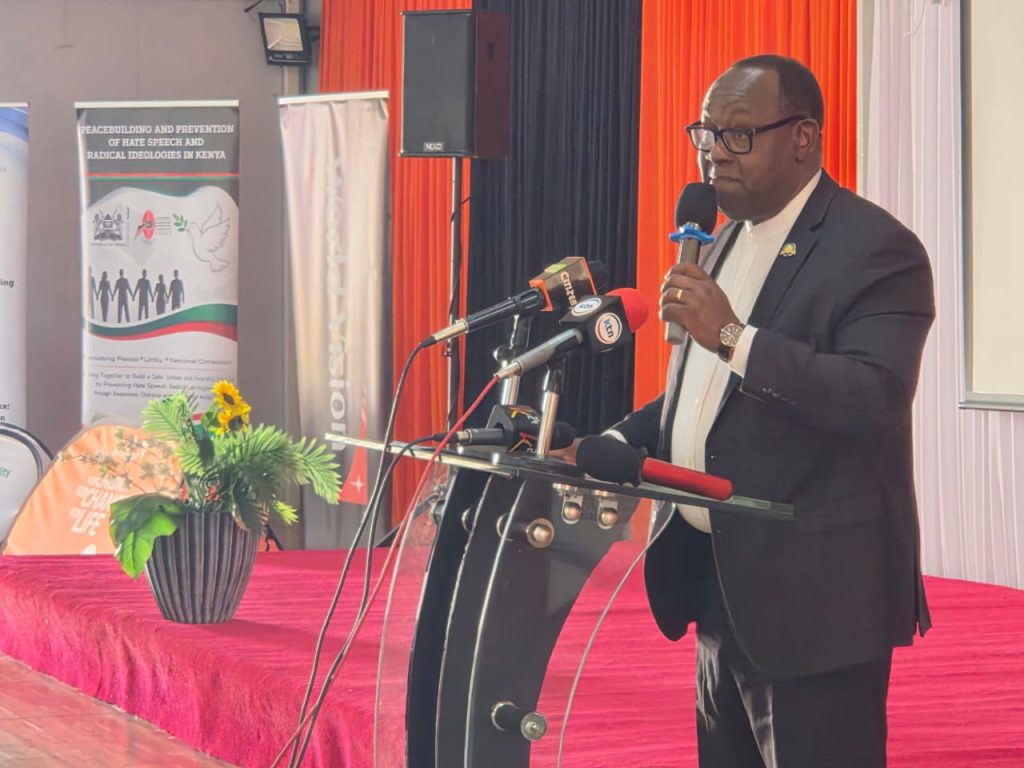
A joint communiqué issued by the NCIC, the Inter-Religious Council of Kenya (IRCK), World Vision Kenya and participating stakeholders places counties and communities at the centre of efforts to prevent electoral violence.
“We, the religious leaders, faith-based institutions, government representatives, civil society organisations, and development partners, do hereby issue this solemn communiqué to reaffirm our collective commitment to national cohesion, peace, and peaceful elections ahead of 2027,” the communiqué states.
The groups warned that elections should not be viewed simply as political contests but as major tests of national cohesion, social trust and institutional resilience.
As the country moves closer to the next election cycle, the signatories identified misinformation, disinformation, political polarisation and identity-based mobilisation as some of the threats that could weaken peaceful coexistence.
Counties and communities on the frontline
While elections are organized nationally, political tensions often emerge and grow at the local level. The faith leaders and the NCIC acknowledged this by committing to strengthen peacebuilding, mediation and rapid-response systems at the national, county and community levels.
They proposed the establishment of an Interfaith Early Warning and Early Response mechanism linked to the NCIC and other relevant national and county institutions.
“We will strengthen existing faith-based peace and mediation structures in high-risk areas and establish an Interfaith Early Warning and Early Response mechanism,” the communiqué states.
The approach could give counties a bigger role in identifying tensions before they develop into violence.
The signatories also committed to addressing grievances that could fuel conflict, including youth unemployment, inequality, exclusion, land and resource disputes and county-level tensions.
These issues are particularly significant for counties because many are closely linked to local development, access to public resources, representation and competition for political influence.
The groups said inclusive dialogue would be used to create safe spaces for young people and marginalised communities to raise concerns and participate in finding solutions.
ALSO READ: National Assembly Approves County funding bill to strengthen community healthcare and devolution
Youth at the centre of the peace plan
Young people, particularly Generation Z, were placed at the centre of the proposed peace building strategy.
The leaders said the growing political awareness among young people must be reflected in civic and political processes rather than allowing frustration to be exploited for violence.
“We will establish sustained platforms for engagement between faith leaders and young people on governance, political participation, economic concerns and national cohesion,” the faith leaders said.
The groups also plan to integrate young people into peace building and early-warning structures while supporting civic education, mediation and digital literacy.
They called on young people to exercise their political rights peacefully and reject recruitment into violence. “We call upon young people to exercise their political agency peacefully and to reject recruitment into violence,” the communiqué states.
For counties, where a large share of young people are likely to experience political campaigns directly, the commitment raises questions about whether local peace and governance structures can provide meaningful opportunities for youth participation before the 2027 polls.
Fighting hate online
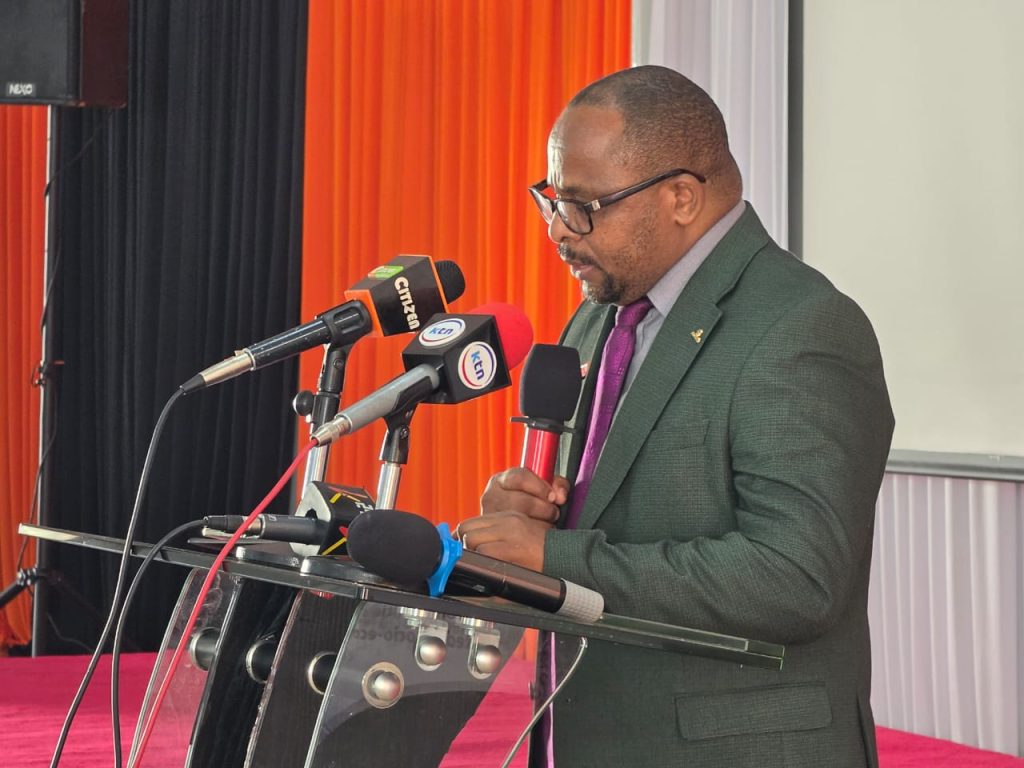
The forum also raised concern over the growing influence of social media and digital platforms in spreading political misinformation and hate speech.
The signatories committed to countering hate speech, misinformation, disinformation and digitally enabled incitement, including AI-generated content and deepfakes.
They plan to launch a coordinated Faith Against Hate campaign and strengthen faith-based digital peace initiatives to promote tolerance and responsible online behaviour.
Religious leaders and youth influencers will also be trained to identify hate speech and false information, verify content and develop counter-messaging.
NCIC Chairman Bishop Dr Kepha Omae said hate speech should be confronted whether it is delivered from a political platform, spoken in public or posted online.
He challenged religious leaders to act when politicians cross the line, warning that silence should not be mistaken for acceptance.
Omae said the law applies equally to hate speech published on social media.
“The law that applies to hate speech that is verbalised applies to hate speech written on social media,” he said.
He also dismissed claims that the commission is a toothless institution, saying the new commissioners would carry out their work fearlessly and with vigour.
Starting early
NCIC Commission Secretary and CEO Daniel Giti said preparations for peaceful elections must begin long before polling day.
He warned that the foundations for either peaceful or violent elections are often laid months or years before voters cast their ballots. “As Kenya gradually moves towards the 2027 General Elections, it is important that we begin preparations early and deliberately,” Giti said.
He identified political competition, ethnic mobilization, hate speech, misinformation and other forms of intolerance as risks that should be addressed before they escalate into conflict.
“One of the greatest challenges facing our society today is the rapid spread of hate speech, incitement, misinformation and disinformation, particularly through digital and social media platforms,” Giti said.
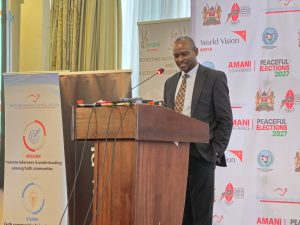
“We will establish a national interfaith election committee to coordinate implementation of these commitments,” Gershon Mwakazi, acting director, World Vision, stated.
To coordinate the commitments, the signatories will establish a National Interfaith Elections Peace Coordination Committee, co-chaired by the IRCK and NCIC.
The committee will oversee implementation and coordinate with government institutions, security agencies, civil society, the media, youth and women’s organizations and other stakeholders.








Leave a Reply