


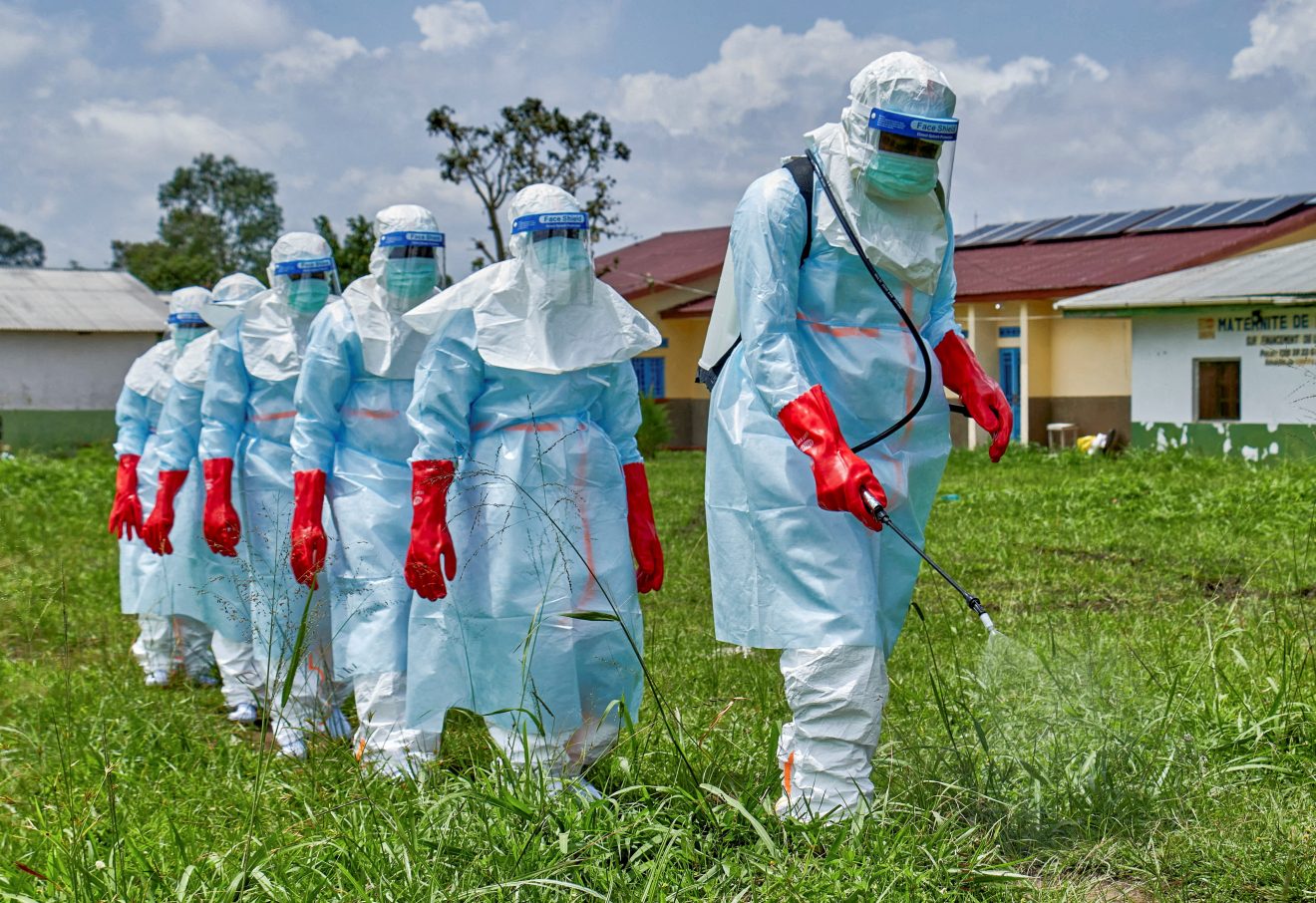
Nairobi is stepping up measures to prevent the spread of Ebola after Kenya confirmed its first imported case of the disease, with health authorities intensifying surveillance and contact tracing across the capital.
The confirmed case involved a 39-year-old Kenyan man who had lived in the Democratic Republic of Congo (DRC) for seven years before travelling to Kenya through Uganda on October 3, 2026.
He was admitted to Nairobi hospital after arriving in the country and later tested positive for Ebola at the National Public Health Laboratory. He died on Monday and was buried at Langata Cemetery under public health protocols.
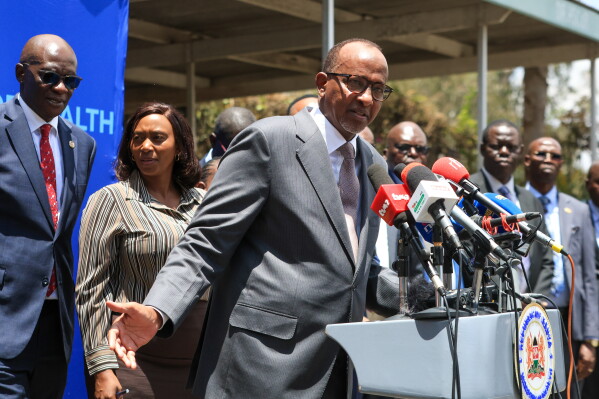
The case has prompted the national and county governments to strengthen preparedness, while health officials are urging residents to remain vigilant without panicking.
ALSO READ: How Murang’a ECDE teachers are adapting to digital learning
What is Ebola?
Ebola Virus Disease is a severe illness caused by the Ebola virus. It can cause serious disease and death, particularly when treatment and supportive care are delayed. The illness can initially resemble common infections such as malaria or flu, making it important for people who may have been exposed to know the warning signs and seek medical attention early.
Symptoms can appear between two and 21 days after exposure.
What are the symptoms?
The early symptoms may include:
Fever
Severe headache
Muscle and joint pain
Extreme weakness
Sore throat
Loss of appetite
As the disease becomes more severe, other symptoms may develop, including:
Vomiting
Diarrhoea
Abdominal pain
Skin rash
Red eyes
Difficulty breathing
Unexplained bleeding
Because some of the early symptoms are similar to malaria and other common illnesses, residents should tell health workers if they have had possible contact with an Ebola patient or recently travelled from an area affected by the disease.
Anyone who develops symptoms after possible exposure should seek medical attention immediately rather than attempting to manage the illness at home.
How does Ebola spread?
Ebola spreads mainly through direct contact with the blood or body fluids of an infected person. These fluids can include blood, vomit, urine, sweat, saliva and faeces.
The virus can also spread through contaminated objects that have been used by an infected person, including bedding, clothing and needles.
Handling the bodies of people who have died from Ebola is also a significant risk because the virus can remain present in body fluids after death. This is why suspected Ebola deaths require specialized and supervised burial procedures.
The virus can also be transmitted from infected wildlife, including bats, monkeys and other primates.
Ebola does not spread through the air
One of the important things residents need to understand is that Ebola is not an airborne disease like COVID-19 or influenza.
A person is generally infectious once they develop symptoms. Simply being near someone who has no symptoms does not mean that Ebola will automatically spread.
This makes early identification, reporting and monitoring of people who may have been exposed an important part of controlling transmission.
ALSO READ:Who is approving Nairobi’s buildings? Questions emerge over lapsed planning committee
How can you protect yourself?
Residents can reduce the risk of infection by following basic precautions.
Wash your hands regularly with soap and clean water, particularly after contact with other people or potentially contaminated surfaces.
Avoid contact with body fluids from anyone suspected or confirmed to have Ebola.
Do not handle bodies of people suspected to have died from Ebola. Such burials should be conducted by trained teams following public health protocols.
Do not share personal items such as needles, clothing or bedding that may have been contaminated.
Avoid contact with sick or dead wild animals, particularly bats, monkeys and other primates.
Most importantly, anyone who develops symptoms after possible exposure should seek medical attention and tell health workers about the possible exposure.
How is Nairobi County preparing?

Nairobi County says it has strengthened its response across all 17 sub-counties.
Governor Johnson Sakaja said 923 health workers and 1,598 Community Health Promoters (CHPs) have received specialised training on identifying and reporting suspected Ebola cases.
More than 60 laboratory officers have also been trained in the safe collection and handling of samples.
Rapid Response Teams have been activated across the 17 sub-counties, while the county Emergency Operations Centre is coordinating surveillance, reporting, contact tracing and emergency interventions.
Mama Margaret Uhuru Kenyatta Hospital has been designated as Nairobi’s Ebola isolation facility, with efforts under way to strengthen its capacity to receive and manage suspected and confirmed cases.
The county has also stepped up infection prevention and control measures in health facilities, including training medical workers on the use of Personal Protective Equipment, safe patient handling and ambulance disinfection.
Simulation exercises have been conducted at Mbagathi Hospital and Kenyatta University Teaching, Referral and Research Hospital (KUTRRH), together with the Kenya Red Cross, to test the readiness of emergency teams.
Who is being monitored?
Contact tracing is under way following the confirmed case.
Nairobi County says 28 contacts linked to the deceased patient are being followed, together with 27 passengers who travelled on the same flight.
The national government has also confirmed that eight family members of the deceased have been placed under quarantine and are undergoing daily monitoring.
Twenty-one healthcare workers who attended to the patient have also been placed under quarantine and are being monitored for symptoms.
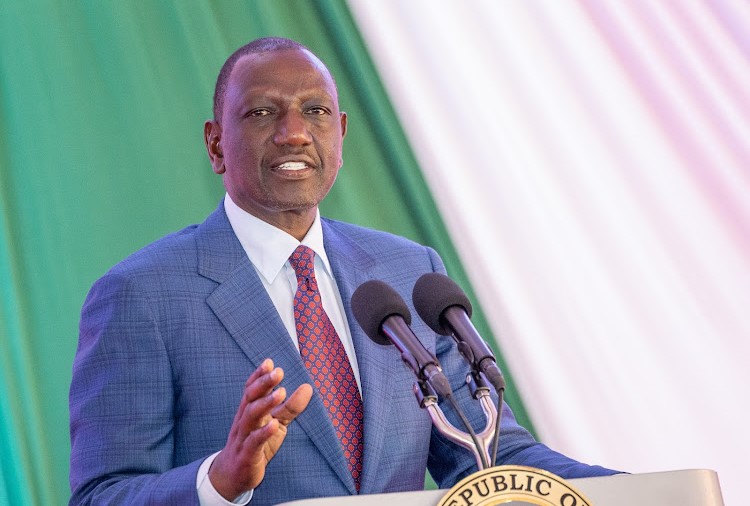
Meanwhile President William Ruto has directed the National Security Council Committee to assess the situation and recommend measures to prevent further transmission.
The government says surveillance and rapid response teams are on the ground.
As of October 6, authorities had screened 652,584 travellers and tested 267 samples at five laboratories. Only one sample had tested positive at that point , that of the deceased patient.
A total of 4,971 healthcare workers have also been trained nationally and at county level in Ebola prevention, detection and management.
What should Nairobi residents do?
The arrival of an imported case does not mean that residents should panic.
Instead, health authorities are asking the public to remain alert, report suspected cases early and rely on verified information.
Residents who develop symptoms associated with Ebola, particularly after contact with a suspected or confirmed patient or travel to an affected area, should seek medical attention immediately.
Nairobi County has provided the 1508 Emergency Health Hotline for residents seeking assistance or reporting suspected cases.
The Council of Governors Vice Chairperson, Muthomi Njuki, has also called for heightened vigilance across counties as Kenya strengthens its response.
For residents, the most important steps remain simple, know the symptoms, understand how Ebola spreads, avoid risky contact and seek medical attention early if you may have been exposed.
Early reporting and cooperation with health workers will be critical in helping Nairobi contain the threat.







Leave a Reply