


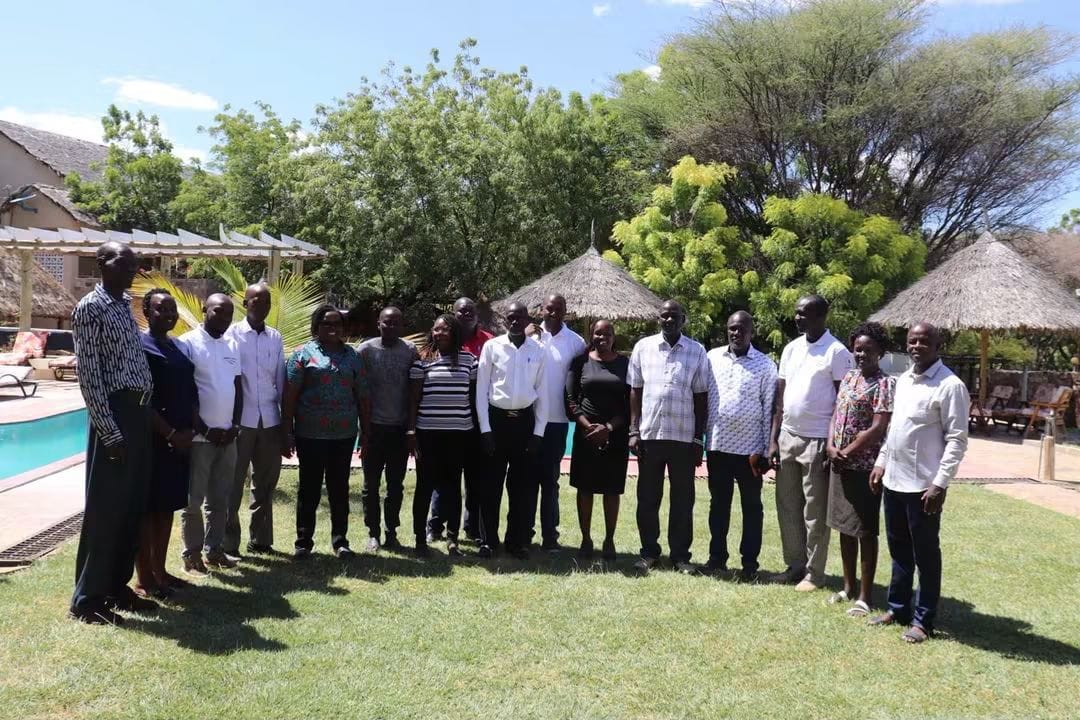
For traders in Turkana, the hides and skins business is becoming harder to sustain as county charges, transport expenses and limited local markets eat into their earnings.
Traders from Kakuma and Lodwar recently asked the County Assembly to review the fees imposed on the trade, saying the charges are making it difficult for them to remain in business.
But what exactly is driving the cost of trading in hides and skins in Turkana?
County charges

At the centre of the traders’ concerns is the cess charged on hides and skins.
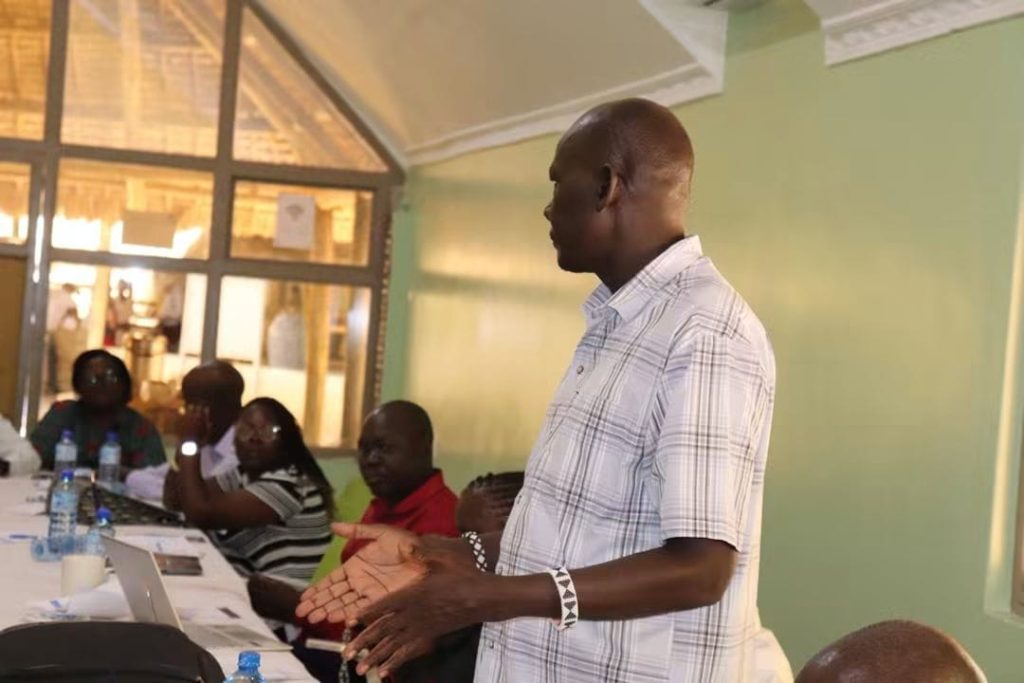
Isaiah Ewoi, a Lodwar based trader, told the County Assembly’s Committee on Agriculture, Livestock Development and Fisheries that Turkana charges 100 shillings per piece.
ALSO READ:Busia turns to cassava and edible oil crops to feed Nasewa industrial park
He said the charge can translate to about 20,000 shillings for a 10-tonne lorry, a cost he considers high compared with charges in other counties. According to figures presented by the traders, West Pokot charges 1,500 shillings per lorry while Baringo charges 2,000 shillings.
“Our benchmark visit to West Pokot, Baringo and Uasin Gishu revealed Turkana has the highest charges. Turkana charges Sh100 per piece, translating to 20,000 shillings for a 10-tonne lorry, while West Pokot charges Sh1,500 per lorry and Baringo charges 2,000, shillings” Ewoi said.
Ewoi said the county should consider harmonising cess fees, licences and transport permits for hides and skins in the Finance Bill 2026/27.
The comparison with other counties was based on a benchmark visit by the traders to West Pokot, Baringo and Uasin Gishu.
Transport adds to the cost
The distance between Turkana and its main market also affects the business.
Traders said much of the hides and skins from Turkana are transported to Athi River in Machakos County, where they find buyers.
This means traders have to meet the cost of moving the products over a long distance before making a return on their investment.
For a business dealing in a low-value commodity, transport costs can significantly reduce the amount left for traders after the products reach the market.
The traders therefore argue that high county charges add another cost to a trade already affected by transportation expenses.
A small revenue stream for the county
The county’s own revenue figures show that hides and skins cess currently contributes a relatively small amount to Turkana’s revenue. Deputy Director of Revenue Hellen Nakaru said the county collected 2 million shillings from hides and skins cess during the 2025/26 financial year.
She said revenue from slaughter fees and hides and skins stood at KSh15 million each against a target of KSh16 million.
Nakaru also noted that the uptake of hides and skins cess had declined compared with previous years, affecting revenue collection.
“In the last financial year 2025/2026, the county collected 2million shillings from hides and skins cess, Total revenue from slaughter fees and hides and skins was Sh15 million each against a target of 16 million. shillings,” said said.
The figures raise a wider question for the county: how can it collect revenue from the trade without making it difficult for traders to operate?
ALSO READ:Education reforms put spotlight on funding gaps facing vulnerable learners in Nyandarua and Laikipia
Limited local value addition
Another issue is the limited processing of hides and skins within Turkana.
The county has a tannery at Naurenpuu in Nadapal, but officials say there is a need to revive it to support the sector.
Nakaru said the Department of Veterinary Services and other stakeholders should prioritise revamping the tannery to strengthen the hides and skins trade and improve revenue collection.
The Director of Veterinary Services, Dr Benson Long’or, said the county has deployed a Leather Development Officer as part of efforts to develop the leather value chain.
He said hides and skins are an important by-product of livestock production, particularly from goats, sheep and cattle.
For a county where pastoralism is a major economic activity, developing local processing could give traders an alternative to sending raw hides and skins to distant markets.
The livestock economy behind the trade
Hides and skins are closely linked to Turkana’s livestock economy. Chief Officer for Livestock Development, Fisheries and Aquaculture Peter Ikaru said livestock remains central to the livelihoods of pastoralist households and called for measures to protect livestock value chains.
Developing the hides and skins trade could therefore have benefits beyond individual traders. A stronger value chain could create opportunities in collection, transportation, processing and leather production.
However, those opportunities depend on whether traders can operate at a cost that allows the business to remain viable.
What happens next?
The County Assembly’s Agriculture, Livestock Development and Fisheries Committee has indicated that the traders’ concerns could be considered as the Finance Bill 2026/27 is reviewed.
Committee chairperson Samal Etubon said the committee would support amendments brought before the Assembly to address the concerns, while calling for more revenue streams for the county.
“Together with the committee, we will support any amendment brought before the House for the benefit of our people. The sub-sector business must thrive to help the county raise revenue. I urge the Department of Finance and Economic Planning to develop more revenue streams in future,” Etubon said.
ALSO READ:Samburu senator seeks answers over livestock deaths during security operation
Traders are seeking changes to the fees, licences and transport permits affecting their businesses.
The discussion therefore goes beyond the amount of cess collected. It is also about whether Turkana can build a livestock value chain that generates revenue for the county while leaving enough room for traders to make a living.
With the main market located outside the county and local processing still limited, the cost of moving hides and skins from Turkana to buyers remains a key challenge.
The proposed review of county charges, alongside efforts to revive the Naurenpuu tannery, could determine whether hides and skins remain largely a raw commodity transported out of Turkana or become part of a stronger local leather value chain.








Leave a Reply