


Education stakeholders in Nyandarua and Laikipia Counties have called for changes to education funding to ease the burden on vulnerable learners and improve access to education.
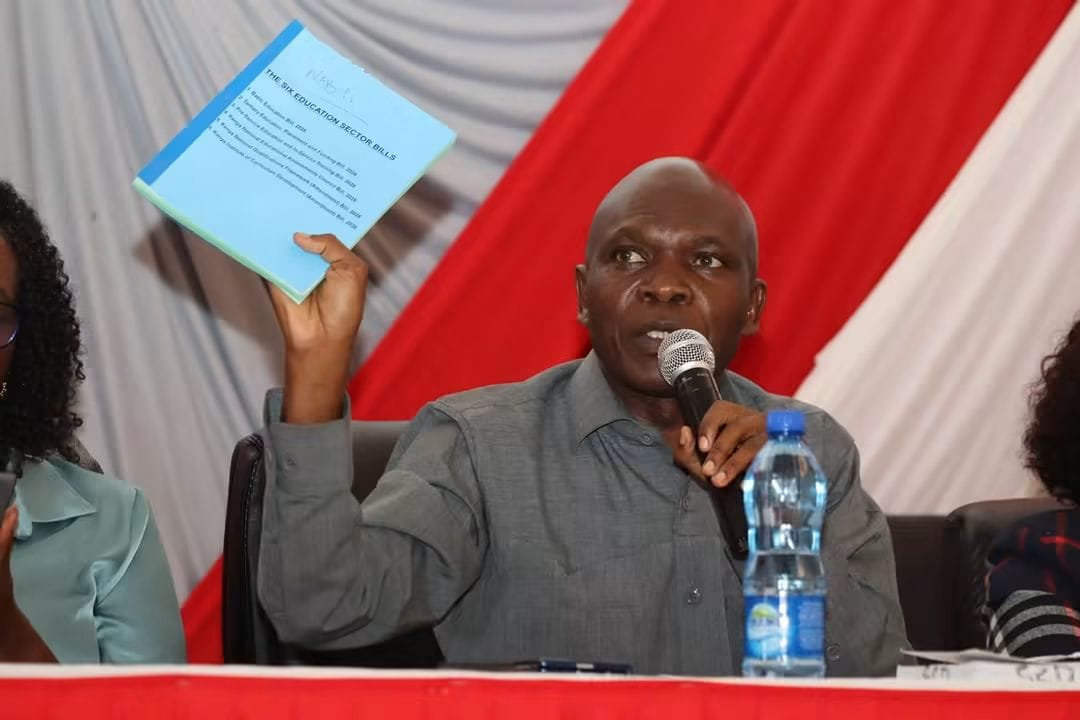
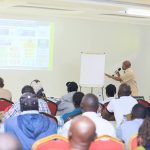
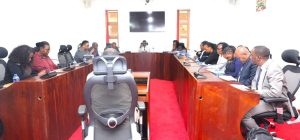
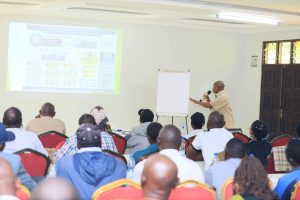
The calls were made as the National Assembly Education Committee continued public participation on the proposed Education Reform Bills.
The committee, chaired by Lugari MP Nabii Nabwera, heard views from teachers’ unions, school heads, parents, students, universities, Technical and Vocational Education and Training (TVET) institutions, faith-based organisations and other stakeholders.
ALSO READ:Samburu senator seeks answers over livestock deaths during security operation
Push for changes to tertiary funding
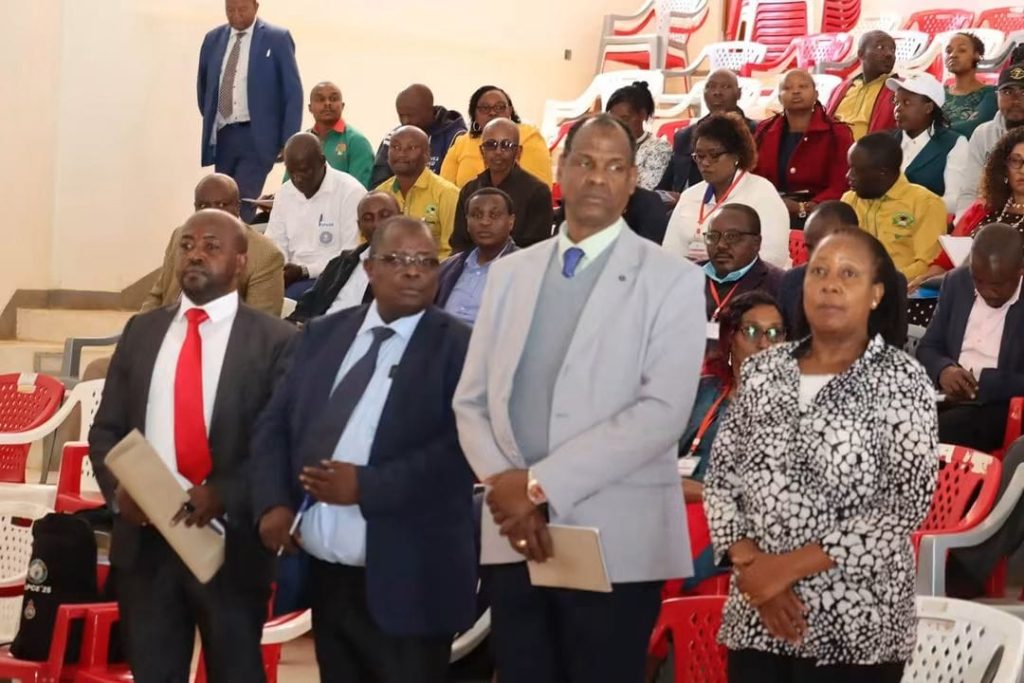
In Nyandarua, the Kenya Secondary School Heads Association (KESSHA) called for tertiary funding services to be decentralised to all regions.
The association also wants capitation to be aligned with the financial year and raised concerns over the proposed one-year period for repaying education loans, saying the period would place an additional burden on beneficiaries.
At Laikipia University, student leaders called for tertiary funds to be released within 30 days of the start of each semester to prevent delays that can affect students’ studies.
They also proposed an increase in scholarships and a reduction in the proposed loan repayment rate from 25 per cent to 10 per cent.
“Loans to be reduced, scholarships to be increased,” a student leader told the committee.
TVET trainees seek wider access to funding
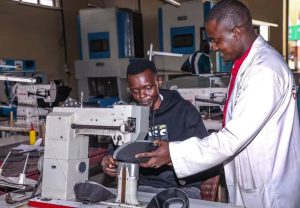
Nyandarua National Polytechnic asked for education funding to cover trainees who are not admitted through the central placement system. The institution said some trainees risk being left out of existing funding arrangements because of how they are admitted.
It also proposed waiving application fees for trainees who cannot afford them.
ALSO READ:Senate Hears Coast Human Rights concerns on Land, GBV and Civic Space
Calls for more support for vulnerable learners

Stakeholders also raised concerns about the level of support available to vulnerable learners and students with disabilities.
A representative of persons with disabilities proposed the creation of a national assistive devices fund to help learners access equipment required for their education.
The representative also called for increased capitation for learners with special needs, as well as better employment and working conditions for educators with disabilities.
In Laikipia, the Kenya Comprehensive Schools Heads Association (KECSHA) called for higher capitation for vulnerable children and the institutionalisation of school feeding programmes in schools serving needy learners.
The association also urged the government to strengthen career guidance to help learners make informed decisions about their education pathways.
Debate over the structure of basic education
Stakeholders differed on the proposed structure of basic education. The Kenya Union of Teachers (KNUT) and KECSHA supported retaining the comprehensive school model.
The Kenya Union of Post-Primary Education Teachers (KUPPET), however, called for Junior Secondary Schools (JSS) to operate as autonomous institutions with separate Boards of Management.
Other stakeholders focused on the role of parents and faith-based organisations in education.
The Catholic Diocese of Nanyuki called for greater clarity on institutional sponsorship and proposed extending the Programme for Pastoral Instruction (PPI) to all levels of education.
The Parents Association backed stronger parental involvement and called for a funded National Parents Association.
The committee said it had taken note of the concerns and recommendations presented during the hearings and would consider them in preparing its report.






Leave a Reply