


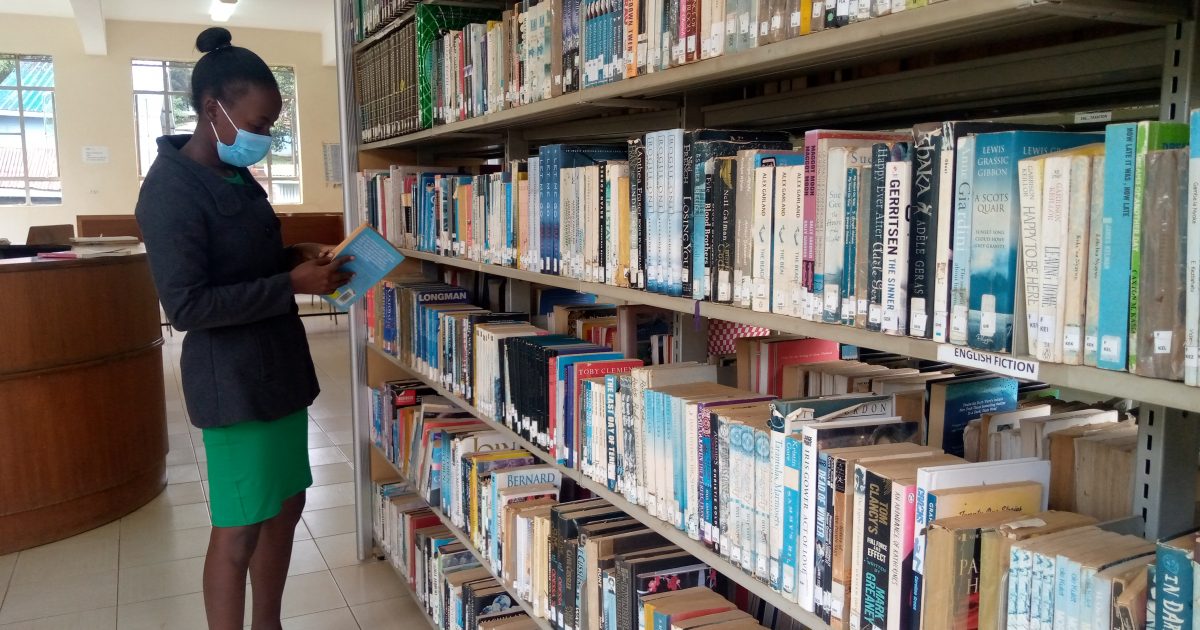
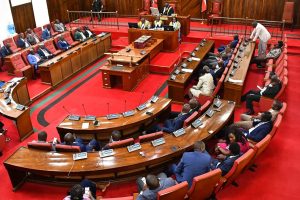
The National Assembly has passed the County Library Services Bill, 2024, setting out a framework for the establishment and management of library services across the 47 counties.
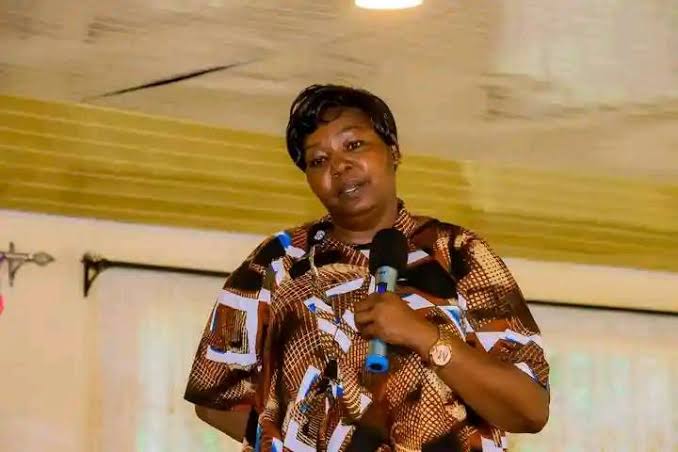
The Bill, sponsored by Senator Joyce Kipkoech Korir, seeks to give county governments responsibility for providing library services, implementing national library policies and standards, and identifying training needs for library staff.
It also provides for library services at sub-county level, potentially bringing public information resources closer to residents.
ALSO READ:Busia County Ward Administrators locked out over mounting rent arrears
More than books on shelves
The proposed libraries would offer more than traditional book lending services.
The framework provides for inter library loans, outreach programmes, specialised and home bound services, as well as reference, advisory and referral services. ICT is also part of the proposed system, creating room for libraries to provide digital learning and research resources.
For learners, researchers and job seekers, particularly those in areas with limited access to private information resources, this could make libraries important community learning spaces.
The funding question
But establishing libraries on paper is different from keeping them open and useful.
The Bill does not provide a clearly defined dedicated source of funding for county library services.
Counties would therefore have to determine how to finance the services from their available resources.
That raises concerns about whether libraries could become another responsibility competing for funds with healthcare, roads, water, education and other county priorities.
Running a library also involves more than putting up a building.
Counties would need to fund books and other learning materials, computers, internet connectivity, electricity, maintenance and trained personnel.
The sub-county challenge
Taking library services to the sub-county level could make them more accessible, particularly for communities far from county headquarters.
But greater reach also means higher operating costs.
Counties would need to consider where facilities should be located, how they would be staffed and how they would be equipped.
Without adequate funding, there is a risk of creating libraries that exist physically but offer limited services.
ALSO READ:Kiamaiko’s Sewer Crisis: When Basic Sanitation Becomes a Fight for Service
Can technology fill the gap?
The Bill’s emphasis on ICT could provide counties with an opportunity to rethink what a public library looks like. Instead of relying entirely on large physical collections, libraries could provide access to online research materials, digital books, learning platforms and government information.
But digital access comes with its own requirements. Reliable electricity, affordable internet, computers and people with the skills to use them are essential.
Without these, the promise of digital libraries could remain out of reach for the communities that need them most.
The proposed framework also seeks to strengthen cooperation between county libraries and the national library service.
Better coordination could allow counties to share resources, expertise and information while reducing duplication.
It could also help counties that lack the capacity to develop library services on their own.










Leave a Reply