



The launch of the Laikipia County Agroecology Policy (2026–2032) has put sustainable agriculture and climate resilience at the centre of the county’s development agenda.
But beyond the policy document and launch, what will agroecology actually mean for the farmers and pastoralists whose livelihoods depend on Laikipia’s land, water and natural resources?
The county is positioning agroecology as a way of transforming its food and agricultural systems while responding to the growing pressures of climate change, environmental degradation and food insecurity.
Laikipia’s economy is closely tied to agriculture and livestock keeping. Farmers depend on productive soils and reliable water for crops, while pastoralists rely on healthy rangelands to sustain their herds.
The new policy seeks to bring these interests together by promoting production systems that protect the environment while improving livelihoods.
ALSO READ:Parliamentarians Back Bill to Expand Library network to Counties
From policy to the farm

The policy covers a wide range of areas, including crop and livestock production, aquaculture, ecosystem restoration, climate resilience, agricultural markets, research, digital extension services and renewable energy.
For farmers, this could mean greater emphasis on practices that improve soil health, conserve water and reduce vulnerability to unpredictable weather.
It could also open opportunities for producers to access new markets, technology, research and climate-smart agricultural practices.
But the success of the policy will ultimately be judged beyond county offices and policy documents.
Farmers will want to know whether they will receive practical extension services, affordable technologies, access to finance and reliable markets for the products they produce. The same question applies to pastoralists.
What does agroecology mean for pastoralists?
Laikipia has a diverse agricultural landscape that includes pastoral and agro-pastoral communities.
For livestock keepers, protecting rangelands and water catchments is directly linked to the survival of their herds and household incomes.
The policy recognises the importance of rangelands, forests, rivers, water catchments and biodiversity.
Its implementation could therefore have implications for how communities manage grazing areas, water resources and livestock production.
With climate change contributing to increasingly difficult conditions for farmers and pastoralists, better management of natural resources could help communities cope with drought and other environmental pressures.
However, this will require more than encouraging communities to adopt new practices. It will require investment, access to information and technologies, functioning markets and meaningful participation by the people expected to implement the policy.
The cost of going green
One of the biggest questions surrounding the policy is financing. The county has identified investment and financing as part of its agroecology framework.
But moving towards more sustainable production can require farmers to invest in new equipment, inputs, technologies and knowledge.
Small scale farmers and pastoralists may struggle to make these investments without affordable credit, incentives or other forms of support.
Women and young people also feature prominently in the policy, particularly in relation to sustainable and green enterprises.
For that promise to translate into livelihoods, however, the county will need to create clear opportunities for them to participate in agricultural value chains rather than simply identifying them as beneficiaries.
ALSO READ:Busia County Ward Administrators locked out over mounting rent arrears
Protecting nature while producing more
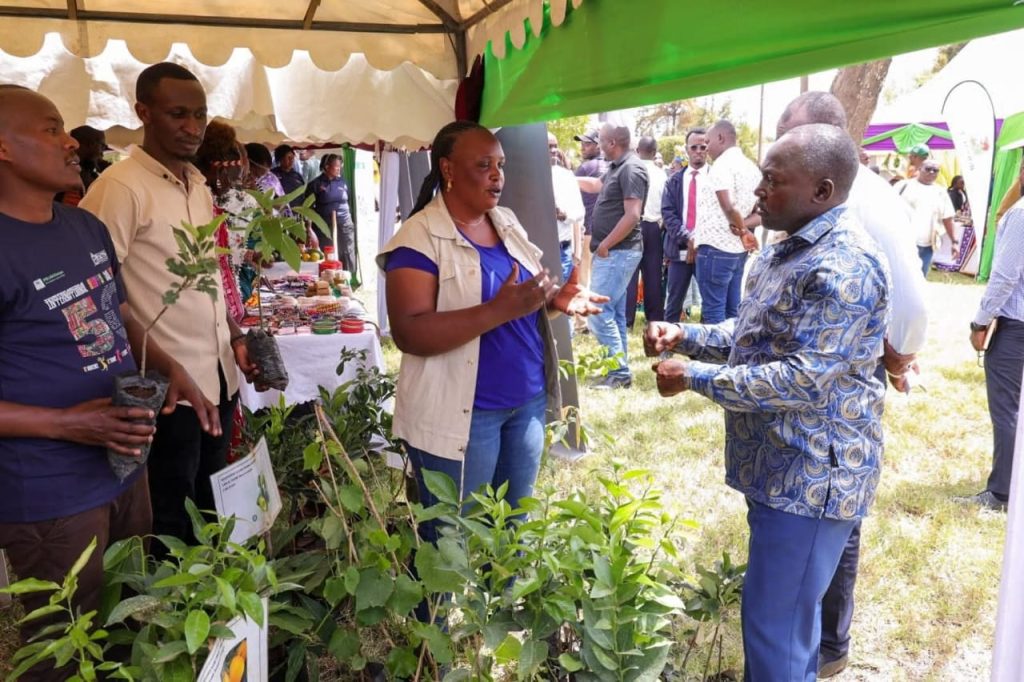
Laikipia’s agricultural future is also tied to the health of its natural environment.
The county’s farms and livestock systems exist alongside forests, rangelands, conservancies, rivers and other ecosystems.
The policy therefore presents a difficult but necessary balancing act, how can Laikipia increase agricultural production and incomes without exhausting the natural resources that production depends on?
This is particularly important as the county seeks to build resilience to climate change.
Healthy soils can support crop production, Protected water catchments can help sustain water supplies, Well-managed rangelands can support livestock during difficult seasons, protecting biodiversity can also strengthen the wider ecosystem on which agriculture depends.
The challenge will be ensuring that conservation and livelihoods are treated as connected priorities rather than competing interests.
The real test is implementation
The Laikipia County Agroecology Policy runs until 2032, giving the county several years to turn its commitments into measurable results.
That makes implementation the biggest test.
Will farmers see stronger extension services? Will pastoralists gain better support for managing rangelands? Will women and young people access meaningful economic opportunities? Will investment reach communities? And will the county be able to demonstrate improvements in food security, household incomes and environmental protection?
These are the questions that will determine whether the policy becomes a working blueprint or remains another document on government shelves.










Leave a Reply