


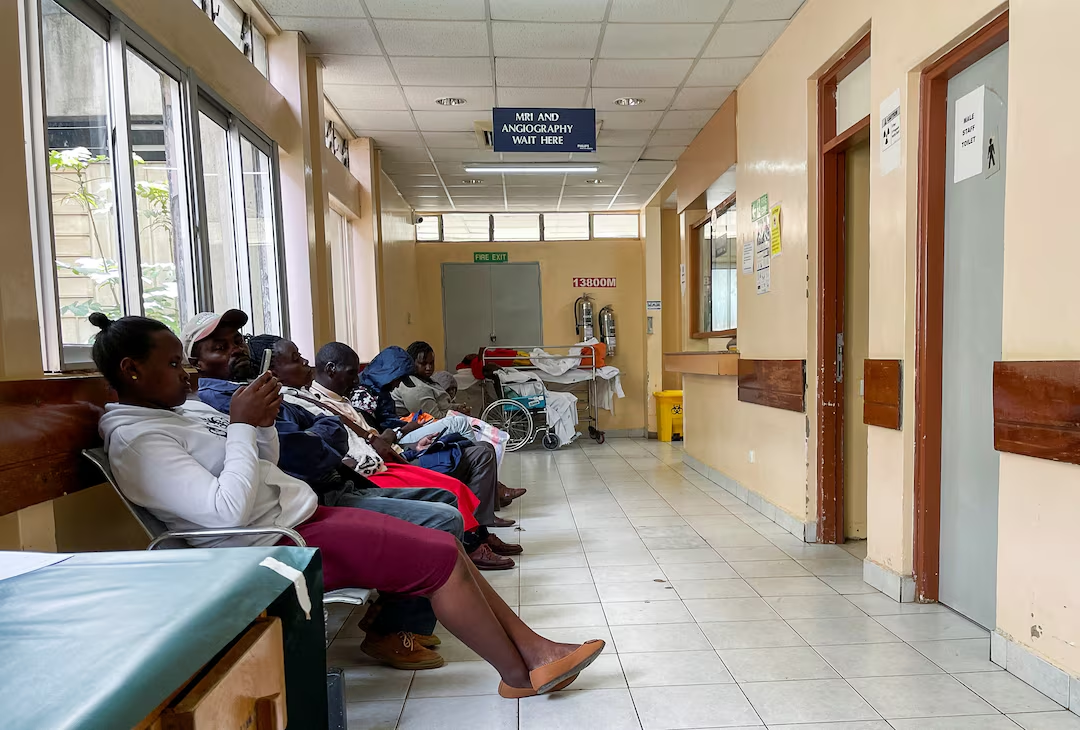
For many pregnant women, reaching a health facility should mark the end of danger. But new data presented to editors in Nairobi shows that for thousands of mothers and newborns in Kenya, the crisis may continue even after they arrive at a hospital or clinic.
Kenya loses an estimated 15 mothers, 92 newborns and 96 babies through stillbirths every day, with most of the deaths linked to preventable causes, according to data presented at the Wanahabari Editors’ Roundtable on Strengthening Media Engagement for Maternal, Newborn, Child Health and Nutrition (MNCH+N).
The data, drawn from the report on the State of Maternal, Newborn, and Child Health in Kenya, points to a major challenge for counties responsible for delivering most health services.
ALSO READ:Kenya is spending billions to save mothers and babies, but can counties bring down the deaths?
Delays in receiving quality care at health facilities

Polycarp Oyoo, Programmes Advisor for Maternal and Newborn Health at the International Centre for Reproductive Health Kenya (ICRHK), said the largest share of the three delays associated with maternal and newborn deaths occurs inside health facilities.
According to Oyoo, 45 per cent of the delays are linked to receiving quality care at the facility, compared with 30 per cent involving delays in deciding to seek care and 25 per cent linked to reaching health facilities because of financial and transport barriers.
“The third delay happens inside health facilities, when women and newborns arrive but do not receive timely, quality care,” he told editors.
The data raises difficult questions for county governments, which are responsible for managing most public health facilities.

While improving access to hospitals remains important, the presentation showed that reaching a facility does not always guarantee that a mother or newborn will receive the care needed to survive.
Only 37 per cent of facilities offering delivery services meet all Basic Emergency Obstetric and Newborn Care standards, according to the data presented.
The picture is also worrying for facilities expected to provide more advanced emergency care.
Only 46 per cent of level four and five facilities have all nine Comprehensive Emergency Obstetric and Newborn Care signal functions.
ALSO READ:New cancer support centre brings wider care closer to Coast patients
The gaps extend to essential supplies and diagnostic capacity.
The report showed that 48 per cent, 47 per cent and 40 per cent of facilities had recently stocked out misoprostol, benzyl penicillin and oxytocin, medicines needed in the management of maternal and newborn complications.
Only 39 per cent of level three facilities and 23 per cent of level two facilities can conduct a full haemogram or urinalysis on site, limiting the ability of health workers to quickly diagnose some potentially life-threatening conditions.
The figures mean that without urgent action, Kenya could lose another 1,500 mothers and 9,200 newborns over the next 100 days.
Counties have spent heavily on expanding hospitals, building maternity wards and purchasing medical equipment since health was devolved, But the new data suggests that investments must also be judged by whether facilities have enough skilled health workers, essential medicines, laboratory services and systems capable of responding to emergencies when every minute matters.
Role of Media
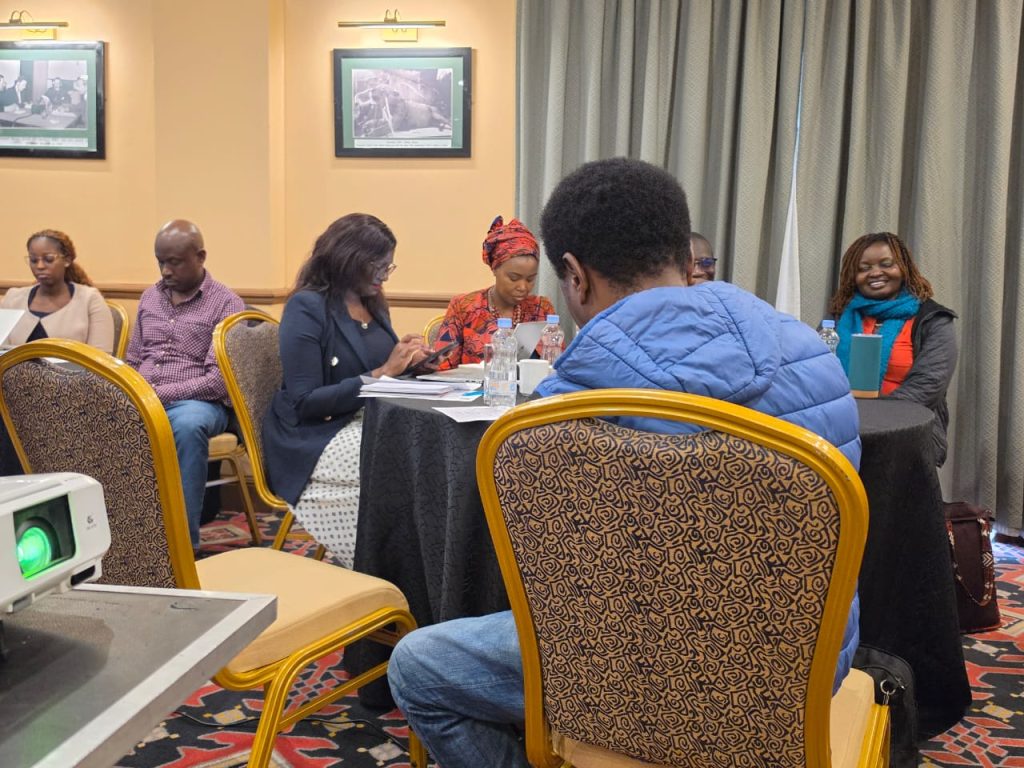
The Wanahabari Editors’ Roundtable also focused on the role of the media in keeping maternal and newborn health issues on the public agenda.
Irene Choge of the Wanahabari Centre urged editors to investigate the causes of maternal and newborn deaths while reporting both gaps and interventions that are improving outcomes.
“Storytelling is part of the solution. Telling these stories and telling them Well can save a woman, a child and hold a system accountable,” she said.
She intimated that journalists have a responsibility to tell the stories of families affected by maternal and newborn deaths and use their platforms to push institutions to address weaknesses in healthcare delivery.
Kenya Editors Guild Chief Executive Officer Linda Bach also called for greater attention to the experiences of families affected by maternal and newborn deaths.
Bach said health reporting should move beyond statistics and examine accountability at both national and county levels.
“Maternal, newborn, and child health is not only a health issue. It is a public-interest and accountability issue. As editors and media leaders, we have an important role in determining whether these issues remain on the national agenda beyond a crisis, a new report, or an international health day.” Bach said.
The challenge, therefore, is not only to count the mothers and newborns dying each day, but to ask what happens when a woman arrives at a county health facility.
Is there a skilled health worker available? Are emergency medicines in stock? Can the facility diagnose the complication? Is there a functioning referral system when specialized care is needed?












Leave a Reply