



KCB Group’s planned Sh300 billion sustainability bond programme targeting East Africa could open up new financing opportunities for projects that closely mirror some of the biggest development needs facing Kenya’s counties, from water and affordable housing to agriculture, transport and climate action.
The lender has unveiled its Sustainability Bond Framework Use of Proceeds, setting the stage for a planned Medium Term Note programme of up to Sh300 billion over five years.
The first tranche is expected to raise up to Sh100 billion, subject to regulatory approvals.
While the bond is being issued by KCB and is not a direct funding facility for county governments, its focus areas could create an additional pool of capital for projects and businesses operating in sectors that fall largely within the counties’ development agenda.
ALSO READ:New cancer support centre brings wider care closer to Coast patients
Financing areas that matter to counties
Proceeds from the proposed bond will be ring-fenced for eligible green, blue and social projects.
The priority areas include renewable energy, green buildings, clean transport, sustainable water management, agriculture, the blue economy, affordable housing, MSMEs, women and youth-led enterprises, employment and livelihood creation.
Many of these sectors are central to county development.
Counties are under growing pressure to improve water access, manage waste, expand urban transport, support farmers, create jobs and respond to the effects of climate change. However, limited budgets have often slowed the implementation of major projects.
KCB’s sustainability bond could therefore provide an alternative source of long-term financing for eligible projects and enterprises working in these areas.
The challenge for counties will be to develop projects that are commercially viable and attractive to investors, particularly through partnerships with the private sector.
Focus on climate and green investment
The framework received a Sustainability Quality Score of SQS2 Very Good from Moody’s, providing an external assessment of how the bond is structured and the process for selecting projects.
KCB Group Chief Executive Officer Paul Russo said the framework builds on the bank’s long-standing efforts to finance projects with economic, social and environmental benefits.
“The launch of the Sustainability Bond Framework is a natural progression of the work the Group has been doing over the last two decades to structure innovative financing solutions and support investments that have a meaningful economic and social impact,” Russo said.
He added that the initiative was about bringing together “Capital Purpose and Accountability” while using finance to create sustainable value.
The framework is designed around two features: Use of Proceeds bonds and Sustainability-Linked Bonds, giving the Group flexibility in future fundraising.
Counties could benefit indirectly
For counties, the significance of the proposed programme may lie in its potential to increase the availability of finance for projects that support local development.
For example, a county seeking to expand climate-resilient water infrastructure could benefit where private companies involved in the project qualify for financing.
Similar opportunities could emerge in renewable energy, affordable housing, sustainable transport and agriculture.
The financing could also support small and medium-sized businesses, including enterprises owned by women and young people, which are key contributors to employment in counties.
Principal Secretary for Public Investments and Asset Management Cyrell Wagunda Odede said sustainable bonds could play an important role as Kenya seeks to deepen its capital markets and attract financing for infrastructure, enterprise and climate action.
He said innovative financial instruments would be critical in unlocking new opportunities as the country diversifies its sources of development financing.Power poles, but no power:
ALSO READ:How Ndhiwa’s electricity gap is holding back development
Building on Sh187bn in green loans
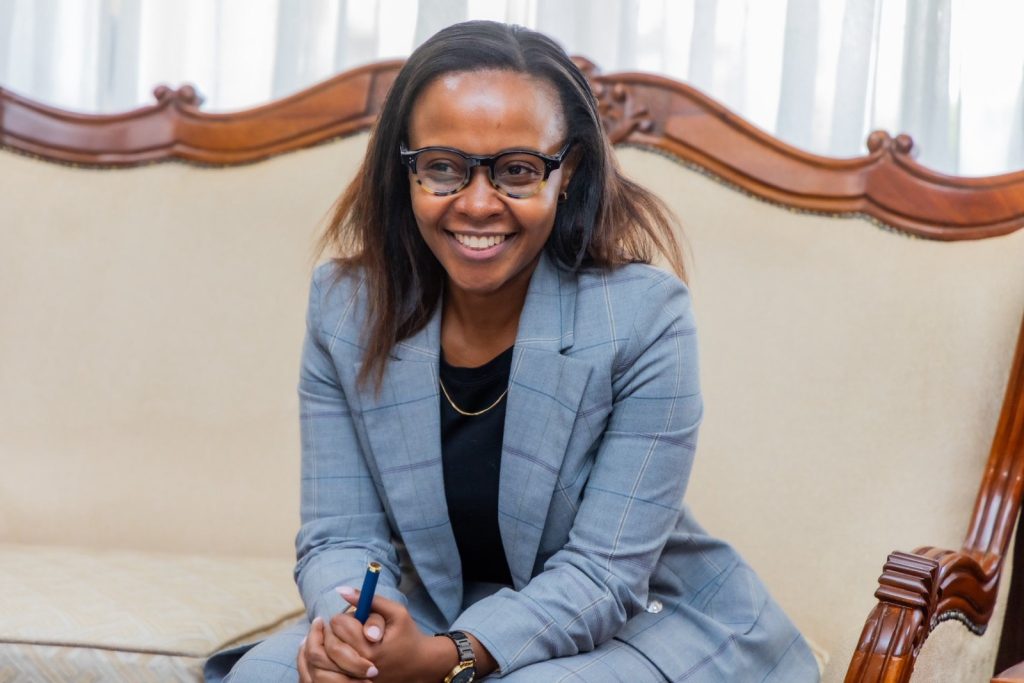
KCB said it has already disbursed more than Sh187 billion in green loans since 2022.
Last year alone, the Group issued Sh48.8 billion in green financing across its regional markets, supporting projects in renewable energy, sustainable agriculture, green buildings, clean transport, water management and other climate-smart investments.
Principal Secretary for the Blue Economy and Fisheries Betsy Njagi said the framework complements the government’s efforts to diversify development financing.
She said partnerships with financial institutions could help direct capital towards investments that strengthen environmental resilience and inclusive growth.
For counties, the proposed Sh300 billion programme highlights a wider shift in development financing.
With public resources under pressure, governments and businesses are increasingly looking beyond traditional budgets and borrowing to fund infrastructure and social development.
The key question will be whether counties can position their projects, businesses and local economies to benefit from the growing pool of sustainability focused finance.








Leave a Reply