


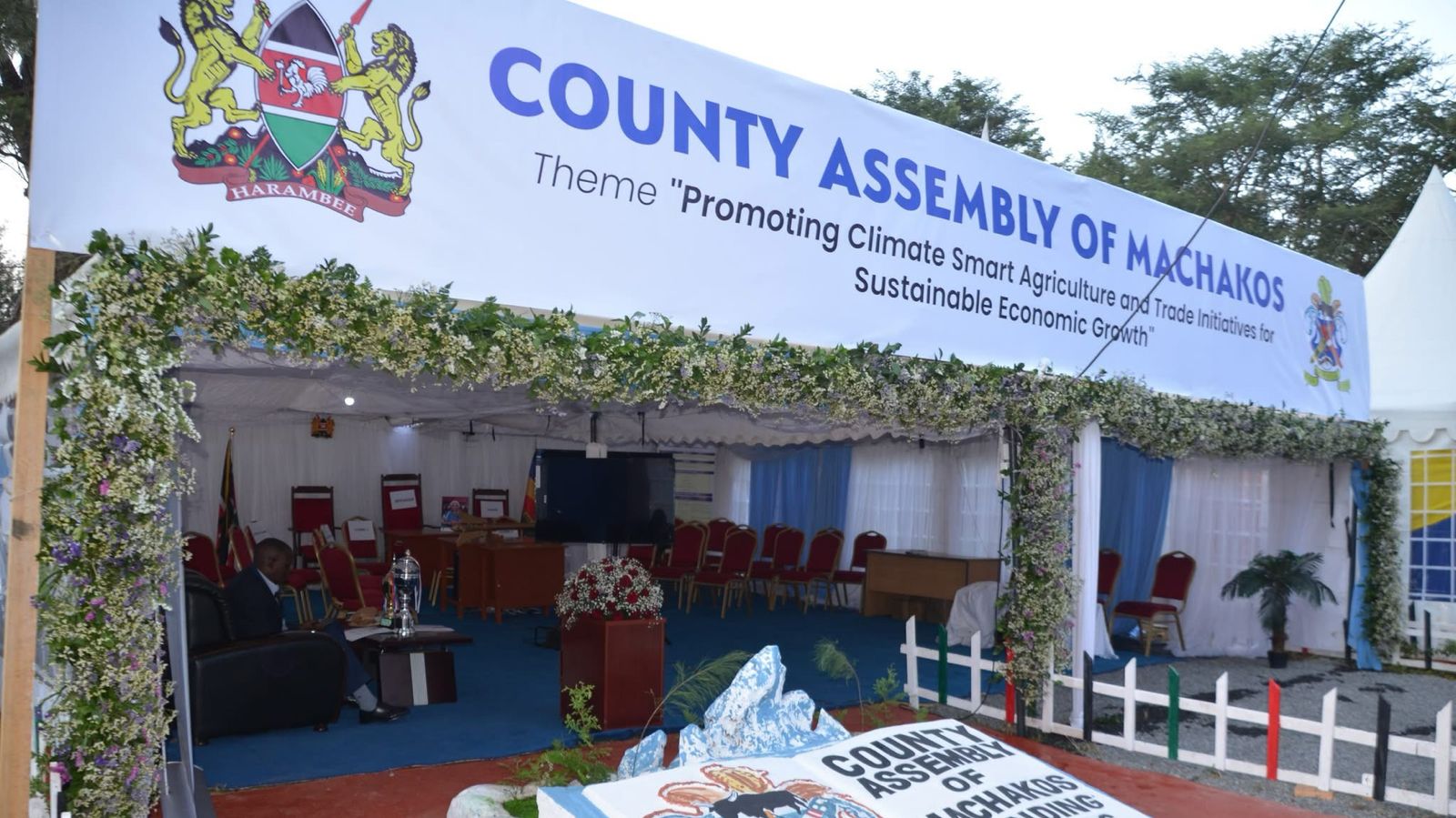
The dispute over Machakos County’s Sh17.8 billion budget for the 2026/27 financial year offers a glimpse into one of the most important questions facing devolution: who decides how public money is spent?
The disagreement between Governor Wavinya Ndeti’s administration and Members of the County Assembly is not simply about figures in a budget document, it highlights the different responsibilities of the county executive and the assembly, and what can happen when they fail to agree on spending priorities.
On August 12, MCAs approved the withdrawal of 50 per cent of the proposed Sh17.8 billion budget, allowing the county government to continue funding salaries and essential services as the disagreement over the full budget persists.
For residents, however, the dispute raises a more important question, what happens to county services when elected leaders cannot agree on the budget?
Why county budgets are contested
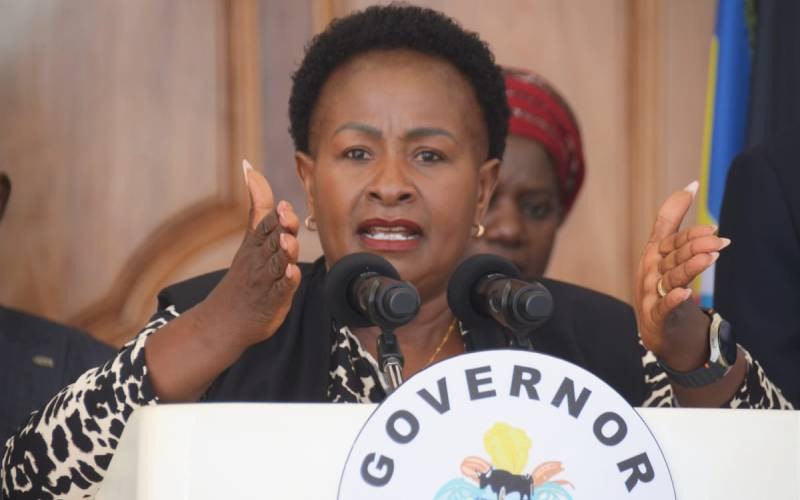
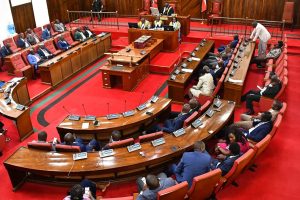
Under Kenya’s devolved system, county budgets are prepared by the executive but must go through the County Assembly for scrutiny and approval.
The executive is responsible for proposing how county resources should be allocated to sectors such as health, water, roads, agriculture and other services.
The assembly, through its committees and the full House, examines those proposals and can make changes within the limits set by law. This oversight is intended to ensure that public money reflects residents’ priorities and that spending is properly scrutinized.
But the process can become contentious when MCAs believe the executive has given insufficient attention to particular sectors or projects.
That is what has happened in Machakos, where MCAs have questioned development allocations, pending bills and changes made to the budget proposals.
The Budget Committee has also raised concerns over whether previous development allocations resulted in projects being implemented on the ground.
For the assembly, the argument is that the budget should address pressing needs and outstanding obligations before it is approved.
For the executive, however, excessive amendments can interfere with its ability to implement the programme presented to residents.
The pending bills dispute
At the center of the disagreement is the amount of money Machakos owes in pending bills.
MCAs have put the figure at nearly Sh7 billion, arguing that the debt is putting suppliers and contractors under pressure.
The MCAs argue that the outstanding bills had left many people and families struggling because contractual obligations had not been honoured.
She says the total amount of pending bills and stock accounts payable as at June 30, 2026, stood at Sh4.6 billion.
According to the governor, the figure included Sh1.6 billion in salaries for county employees for April, May and June 2026, which she attributed to the failure by the Assembly to approve a supplementary budget.
The difference between the figures is significant because pending bills affect how much money a county has available for new projects and services.
ALSO READ: Construction next to DCI headquarters raises land ownership questions in Nairobi
A county that carries large unpaid obligations may have less room to start new projects, while failing to settle legitimate bills can hurt businesses that depend on county contracts.
The disagreement therefore goes beyond accounting figures infact It raises questions about how counties record their liabilities, how pending bills are prioritized and whether residents can easily establish how much their county actually owes.
Who should decide the priorities?
The Machakos dispute also exposes a tension built into county governance.
Governors are responsible for running county governments. MCAs, meanwhile, represent individual wards and exercise legislative and oversight functions.
An MCA may therefore push for a road, health facility, water project or other intervention demanded by residents in their ward, while the executive may argue that resources need to be distributed according to broader county priorities.
Neither side can simply ignore the other. The executive needs the Assembly to approve the budget, while MCAs need the executive to implement the programmes and projects funded through the approved budget.
When cooperation breaks down, the budget can become a political battleground
Governor Ndeti has accused members of the Budget and House Business committees of being influenced by external political forces and of frustrating her administration.
She has also criticised amendments made by the Assembly, arguing that some interfere with the executive’s legal and contractual responsibilities.
The MCAs, on the other hand, maintain that they are scrutinising the budget in the interests of residents and seeking to ensure that priority areas are properly funded.
The disagreement shows why budget-making at county level requires more than simply passing figures through the Assembly. It requires negotiation, evidence and a clear understanding of what residents need and what the county can afford.
What does the 50 percent approval mean?
The temporary approval gives Machakos County some breathing room while negotiations continue.
It allows the county executive and the Assembly to access funds for essential operations, including salaries and basic services, without waiting for agreement on the entire budget. But it does not resolve the underlying dispute.
The county still has to reach agreement on the full Sh17.8 billion allocation and settle disagreements over development priorities, pending bills and amendments.
If the impasse drags on, some programmes could face delays, particularly projects that require new allocations or spending beyond essential operations.
For someone waiting for a water project, a road to be repaired, a health facility to be equipped or a contractor to be paid, a budget dispute in the Assembly is not merely a political disagreement. It can determine whether a service is delivered and when.
A test for devolution
Machakos is not the first county to experience disagreements between its executive and assembly, and it is unlikely to be the last.
County assemblies are expected to scrutinize spending and hold executives to account.
Governors, on the other hand, need sufficient room to implement policies and programmes approved through the budget process.
The challenge is maintaining that balance without turning the budget into a tool for political confrontation.
The Machakos dispute therefore offers a wider lesson about devolution, good county governance depends not only on how much money a county receives, but also on how effectively its leaders agree on spending it.



Leave a Reply