



President William Ruto has defended the Beyond 2030 national conversation, saying it is part of the constitutional requirement to involve Kenyans in shaping national policies and development plans.
Speaking on Wednesday at the Kenyatta International Convention Centre (KICC) in Nairobi, where the national dialogue was launched, Ruto said public participation is no longer optional under the 2010 Constitution.
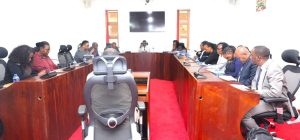
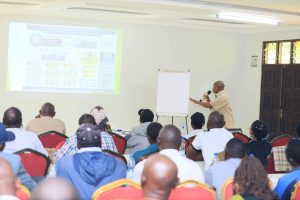
The launch now sets the stage for the conversation to move beyond Nairobi, with public participation forums planned across all 47 counties and different sectors.
“Therefore, we have an opportunity this time round, different from the opportunity that was in 2008, to formulate a long-term plan, one that is done by the people not by the government,” he said.
ALSO READ: Construction next to DCI headquarters raises land ownership questions in Nairobi
The counties are where many Kenyans experience government services first-hand.
Health facilities, agriculture, water, local roads, markets and other devolved functions are central to everyday life, meaning county residents could bring very different priorities to the national conversation. The challenge will be whether those views will genuinely influence the final plan.
From a national conversation to county priorities
Ruto said the Beyond 2030 process provides an opportunity to develop a long-term roadmap for Kenya after Vision 2030, with the aim of transforming the country into a developed, first-world economy by 2060.
He said the new plan should be shaped by Kenyans rather than government officials and bureaucrats alone.
Taking the process to the counties could therefore provide an opportunity to hear from people whose concerns may not feature prominently in national forums.
A farmer in a drought-prone county may place water and irrigation at the top of the agenda, while residents in an urban county could prioritise affordable healthcare, housing, transport and employment.
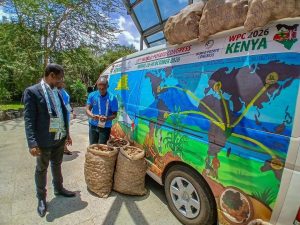
In counties where agriculture drives the economy, farmers may push for better markets, value addition and storage facilities. Others may focus on roads, electricity, digital connectivity or access to quality public services.
What will counties ask for?
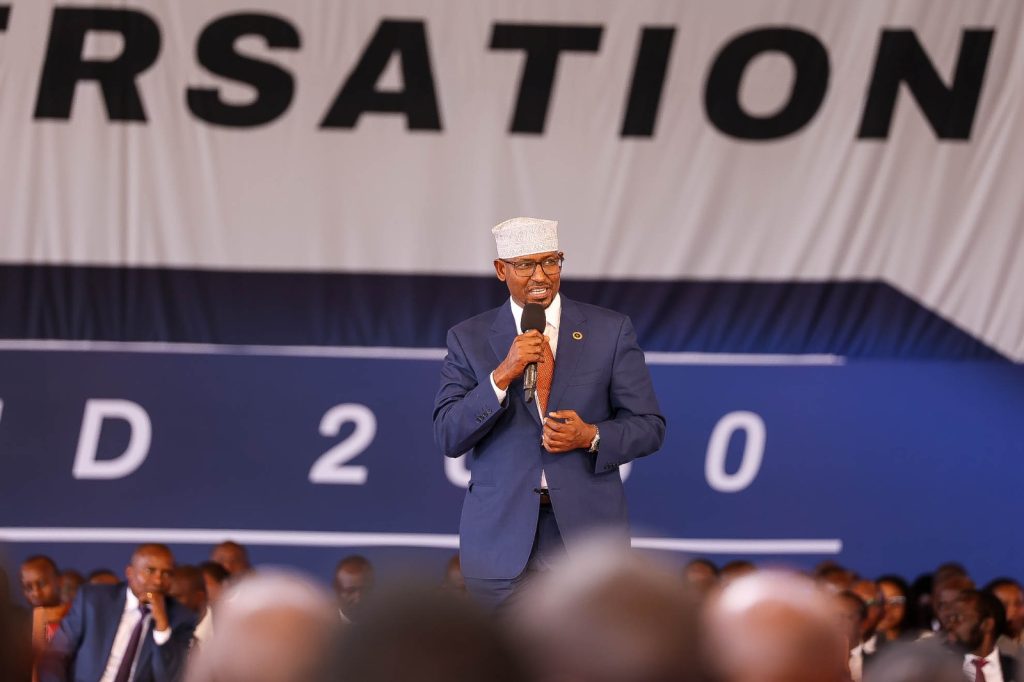
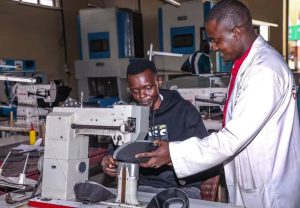
Economic transformation was one of the main themes at the Nairobi launch, with delegates discussing job creation, manufacturing, support for small businesses and reducing Kenya’s dependence on imports.
Healthcare also featured prominently, with participants calling for stronger public hospitals, affordable services and better access to medical care, particularly in rural areas.
ALSO READ: How weak imprest controls are leaving millions of county funds unaccounted for
Education discussions focused on digital skills, technical training, research and innovation, while agriculture remained a key concern because of its importance to livelihoods and food security.
Infrastructure, technology, governance and national cohesion were also identified as important to Kenya’s long-term development.
The county forums will provide an opportunity to test these broad priorities against the realities facing different parts of the country.
The Vision 2030 lesson
Ruto also linked the new conversation to lessons from Vision 2030.
Vision 2030 was launched on June 10, 2008, under former President Mwai Kibaki, two years before the promulgation of the current Constitution.
The President said limited public participation in the formulation of the blueprint was one of the factors that should be considered when developing its successor.
He argued that the country now has an opportunity to create a long-term plan through a process that directly involves citizens.
Vision 2030 has provided Kenya with a long-term development framework, but some of its targets and flagship projects have faced delays and implementation challenges.
The Beyond 2030 process is therefore being presented as an opportunity to examine what worked, what did not and what should be done differently.
Will citizens views make it into the final plan?
The move to the 47 counties will put the government’s commitment to public participation to the test.
The key question will not simply be how many meetings are held, but what happens to the recommendations coming from those meetings.
County governments and county assemblies could also become important players in the process, given their role in delivering many of the services that directly affect citizens.






Leave a Reply