


Nairobi’s public markets are more than places where traders buy and sell fresh produce. They are among the county’s most reliable sources of own-source revenue, generating millions of shillings each year through market fees and other levies that help finance essential public services.
Yet questions are now being raised over how effectively these markets are being managed, with concerns ranging from staff absenteeism to possible revenue leakages.
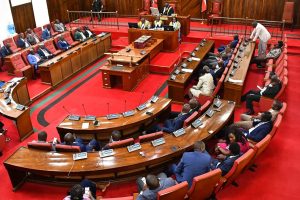
During a sitting of the Nairobi County Assembly, Ngei ward MCA Redson Onyango sought a statement on the operational and revenue management of Nairobi city market and other county markets from the chairperson of the Trade, Tourism and Cooperatives Committee.
“County markets Are one of the biggest contributors of the own source revenue for the Nairobi city county government and play an important role in supporting service delivery.”
“However, concerns Have been raised regarding employees Absenteeism And alleged revenue leakages that continues to undermine efficient market operations and optimal Revenue collection.”
The request goes beyond routine Assembly business, it shines a light on the management of a key county revenue stream and raises broader questions about whether Nairobi is collecting all the income it should from its markets.
Onyango wants the committee to explain how many staff have been deployed at City Market, respond to allegations of absenteeism and misconduct, and outline measures being taken to seal revenue leakages and improve operational efficiency.
The MCA also called for a report on strategies the county is implementing to strengthen revenue collection and improve the day-to-day management of its markets.
Markets at the Centre of County Revenue
County markets play a significant role in Nairobi’s finances. Every day, thousands of traders pay market charges, stall fees and other levies, making markets an important contributor to the county’s own-source revenue.
When revenue collection is weak or funds are lost through leakages, the impact extends beyond the markets themselves. The county has fewer resources to invest in services such as waste management, road maintenance, public health and other programmes that residents rely on.
For that reason, questions about market management are ultimately questions about service delivery.
Oversight Put on Hold
Despite the concerns raised in the Assembly, answers will not come immediately.
The Trade, Tourism and Cooperatives Committee, which is responsible for overseeing the department, is currently being reconstituted.
Responding to the request, Majority Leader Peter Imwatok, who also serves on the Liaison Committee, acknowledged that the committee is not yet in place. He assured the Assembly that the process of constituting committees is underway and is expected to be completed within the next three weeks.
Only after the committee is fully constituted will it be able to summon officials, examine the allegations and table a formal response before the House.
The delay highlights an often-overlooked aspect of county governance. While committees may appear administrative, they are the Assembly’s primary oversight mechanism. Without them, scrutiny of county departments and public expenditure can be slowed, even when urgent questions have been raised.
Why This Matters
The Assembly’s request presents an opportunity to examine whether Nairobi’s markets are operating as efficiently as they should and whether the county is collecting the revenue it is entitled to.
If weaknesses exist in staffing, supervision or revenue collection, addressing them could increase county income without introducing new taxes or fees.
For residents, the issue is not simply about what happens inside the markets, it is about whether money collected from traders is being properly managed and translated into better services across the city