


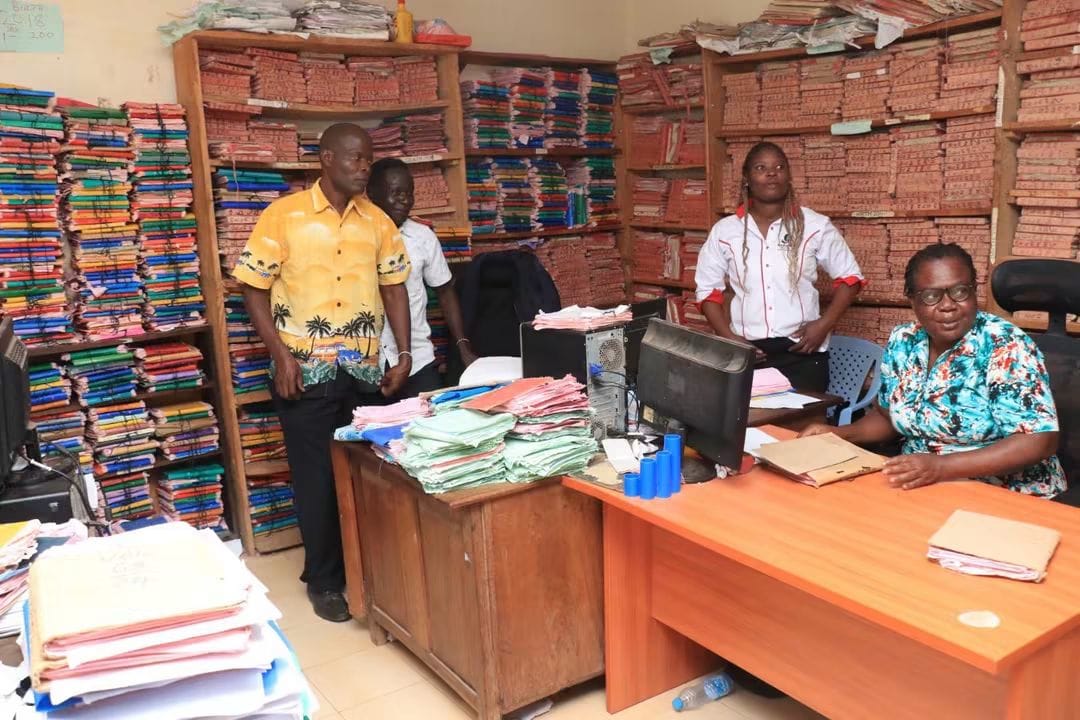
Bungoma County has expanded civil registration services to all 13 sub-counties, but a shortage of staff, vehicles and suitable office space is undermining efforts to help residents obtain birth certificates, death certificates and national identity cards.
Officials from the Department of Civil Registration Services and the National Registration Bureau told a National Assembly committee that the expansion of services had not been matched by adequate resources, leaving registration officers struggling to meet demand.
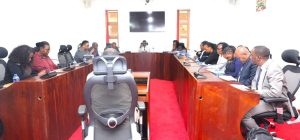
During an inspection visit to Bungoma County, the National Assembly Departmental Committee on Administration and Internal Security heard that some civil registration offices were operating with only one registrar responsible for receiving applications, verifying documents, entering records and approving them.
ALSO READ:Taqwa SACCO members fear losing Sh387.5m as Jeevanjee housing project stalls for seven years
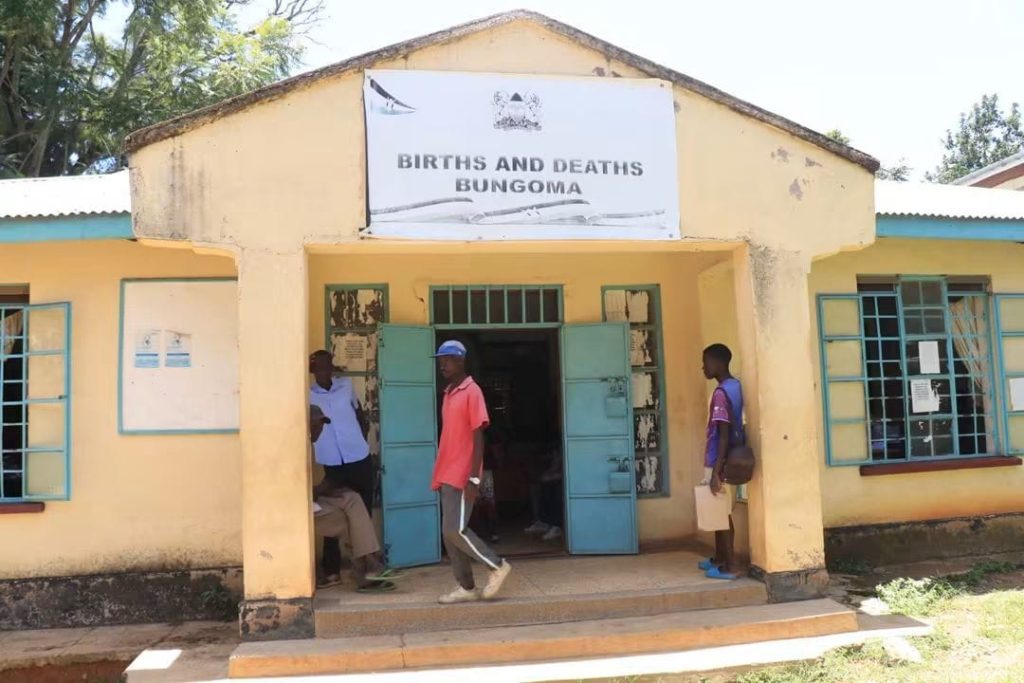
Sub County Registrar of Births and Deaths Paul Wafula said the department had recently extended its operations from four sub-counties to all 13, but had not received enough additional staff to support the expansion.
“Recently, in the month of April, we opened all the sub-counties. So we are now operating at all 13 sub counties. We have offices there. The challenge is that we opened the doors of all sub-counties but only sent one officer, a registrar,” Wafula told the committee. He said the workload made it difficult to provide services efficiently across the county.
“We really need staff there,” he said.
Elgeyo Marakwet Woman Representative Caroline Jeptoo Ng’elechei questioned the practice of assigning one officer to handle every stage of registration, arguing that verification, approval and confirmation should ideally be separated to strengthen accountability and improve efficiency.
Birth registration coverage stands at 76 per cent
Bungoma has achieved 76 per cent birth registration coverage and 64.8 per cent death registration coverage, according to Wafula.
Despite the gaps, he said residents could obtain birth certificates on the same day if they presented the required birth notification and completed payment through e-Citizen.
“Currently, with births, we normally issue within a day. Once somebody comes with a notification, we apply, we pay through e-Citizen, then we issue a birth certificate,” he said.
However, the shortage of personnel raises questions about whether residents across all 13 sub-counties can access the service with the same ease, particularly where offices have limited capacity.
The reported coverage figures also point to the need for continued efforts to reach residents whose births and deaths have not been registered.
Shortage of vehicles limits outreach
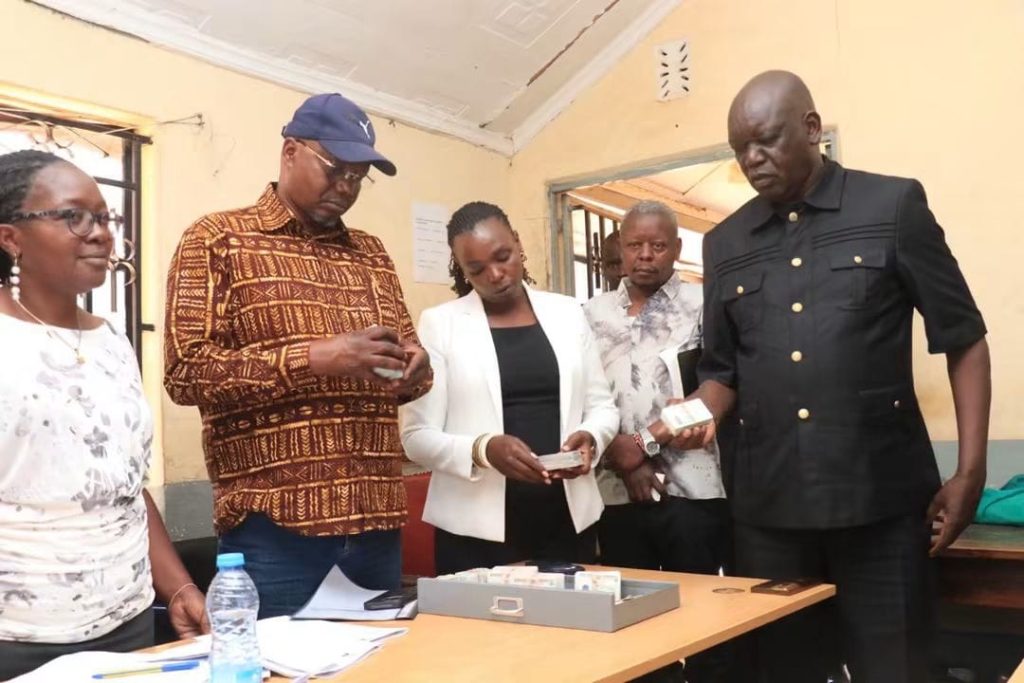
The challenges extend beyond civil registration to the issuance of national identity cards.
Bungoma County Registration Officer Kennedy Nyaega told the committee that the National Registration Bureau was operating with two ageing vehicles, one of which had been borrowed from Kimilili.
“I only have two vehicles. They are very old vehicles. In fact, one was bought in 2007. It is the one serving us at the county level,” Nyaega said.
He said the lack of reliable transport limited the department’s ability to conduct registration exercises in remote areas, where some residents struggle to travel to government offices.
ALSO READ:Ebola in Nairobi: What residents need to know about symptoms, spread and prevention
Among those affected are elderly people, persons with disabilities and residents who have never attended school and may require assistance navigating the registration process.
“We have the disabled people who cannot move. We have the old people. Some of them never went to school. They don’t know anything about the ID. They are just there. So, we are trying to assist them,” he said.
The department recorded an increase in registrations during the Government’s 11 day Rapid Results Initiative (RRI), when additional vehicles and personnel were deployed from Nairobi.
Bungoma registered an additional 43,000 people during the exercise, bringing the total number reached through the initiative to about 101,000.
Nyaega said the additional resources allowed officers to move closer to residents at sub-location level, reducing the distance people had to travel to access registration services.
He said funding remained a major obstacle, particularly for maintaining and repairing the vehicles available to the department.
Between July and September 2026, Bungoma registered 19,361 people under the new registration programme, while 10,436 applications were processed under other categories.
Nyaega said another rapid registration exercise could help clear outstanding demand, provided the department received adequate logistical support.
Delays in ID processing and gaps in equipment
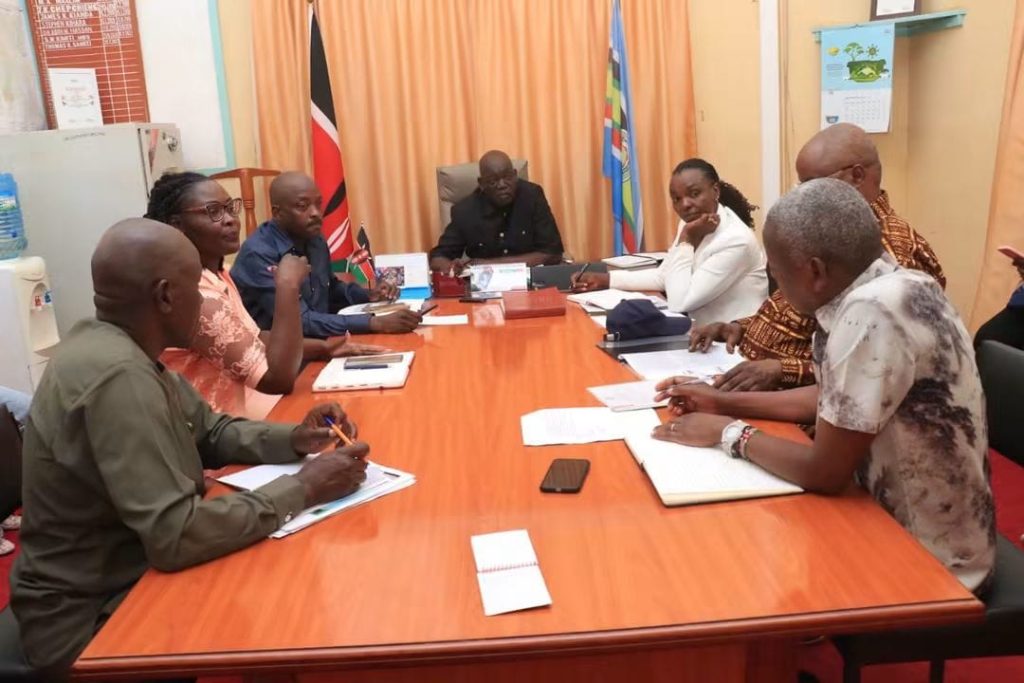
Residents seeking national identity cards also face delays caused partly by staff shortages at the National Registration Bureau headquarters in Nairobi. Nyaega said applications sent to the capital take between three weeks and one month before completed identity cards are returned to Bungoma.
The county is also waiting for additional live-capture kits, which would allow more applicants to be registered locally instead of relying on a limited number of equipped offices.
Only Mount Elgon, Cheptais, Kopsiro and Kimilili had received the mobile kits, while Bungoma South had recently received a new machine.
The shortage of equipment limits the department’s ability to bring services closer to residents, particularly those in areas far from registration offices.
Registration offices operate from unsuitable premises
The committee also raised concerns about the conditions under which some registration services are delivered, including the security of sensitive government documents.
Nyaega said Tongaren registration services were being offered from a rented building, while Kimaich operated from a single room provided by the Deputy County Commissioner.
In Webuye, a divisional registration office had been demolished after public health officials declared it unsuitable for occupation.
Officers were subsequently forced to operate from a car park.
“They are operating from a car park, parking space,” Nyaega told the committee, warning that the conditions raised concerns about the security of registration documents.
The situation highlights the difficulties facing departments expected to provide essential public services without adequate office infrastructure.
Bungoma County Commissioner Thomas Sankei said National Government Administration Officers continued to support registration exercises, particularly during rapid registration campaigns.
“Many times, when the Department of National Registration Bureau is moving out for Rapid Results Initiative, it is only supported by National Government Administration officers,” Sankei said.
Resources needed to close registration gaps
The committee’s inspection exposed a gap between the expansion of registration services and the resources available to deliver them.
While opening offices across all 13 sub counties has increased the potential for residents to access civil registration services, the shortage of personnel, transport and equipment threatens to limit the benefits.
For residents, these challenges can mean longer journeys to registration offices, delays in obtaining identification documents and difficulties completing applications where assistance is needed.
Officials said additional funding, staff, vehicles, registration equipment and suitable offices would be necessary to improve service delivery and reach more residents.
The findings place the focus on whether the Government will provide the resources required to make registration services accessible and reliable across Bungoma County.









Leave a Reply